Understanding Space Weather: Kp Index, Bz Vector, and Solar Wind Explained
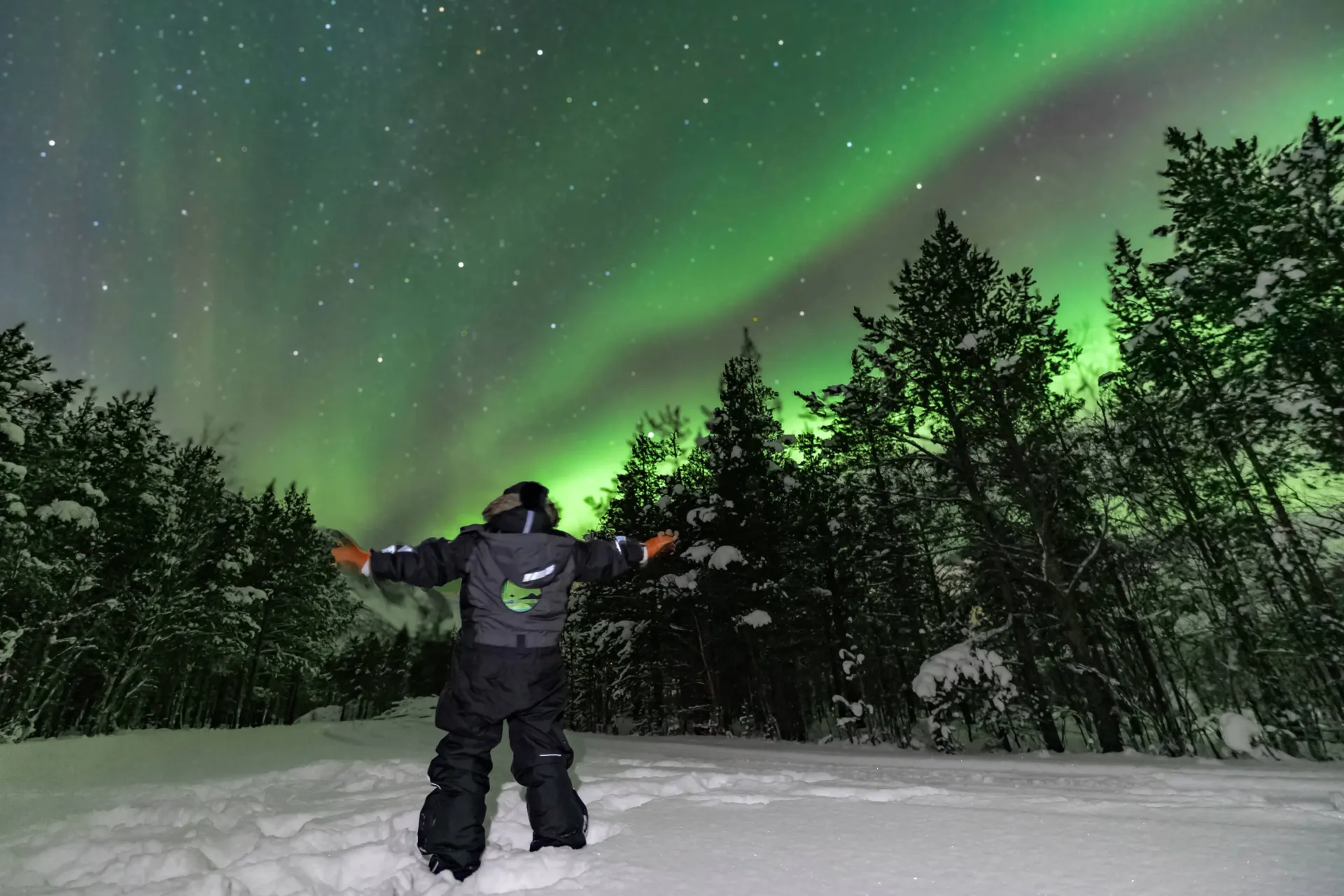
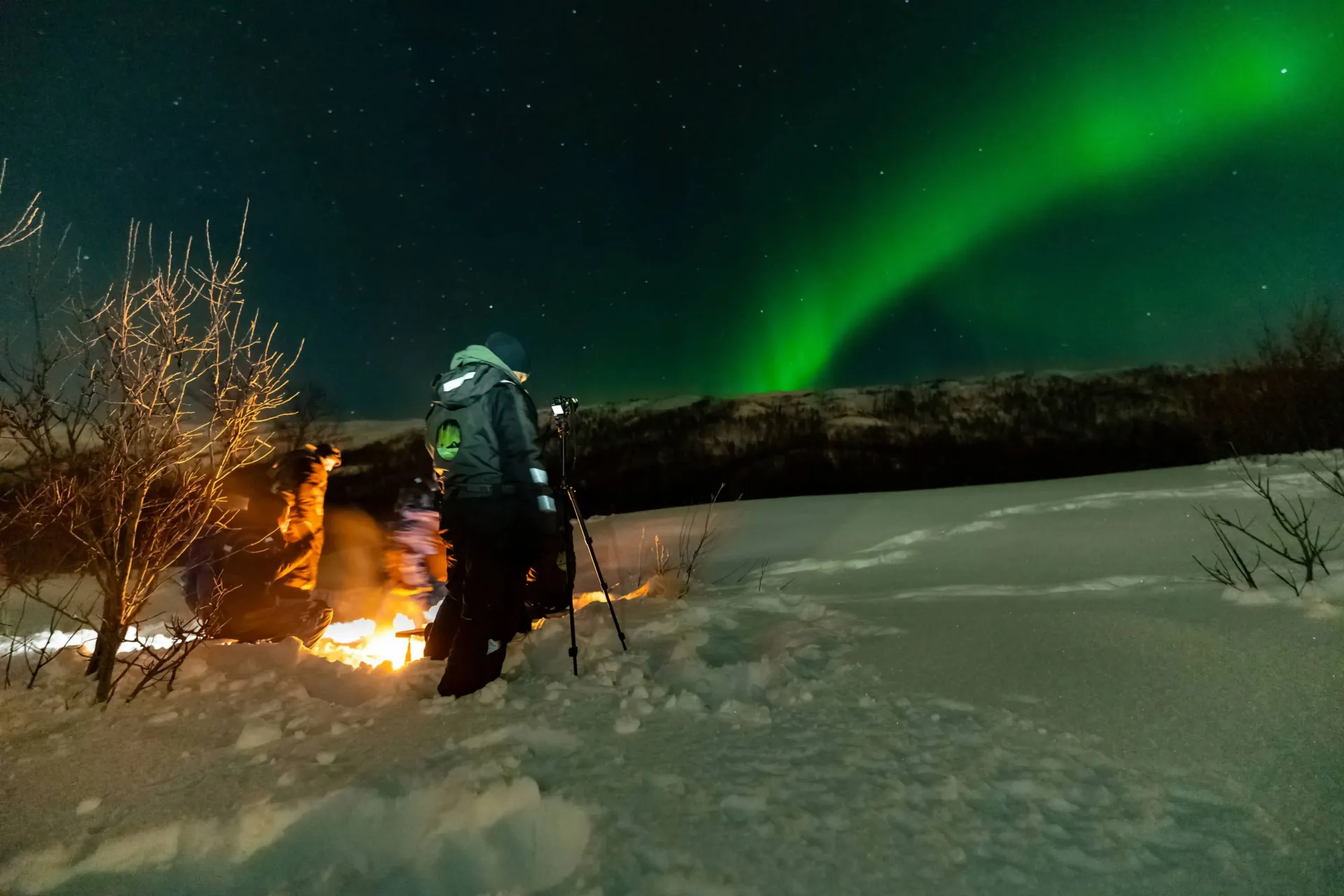
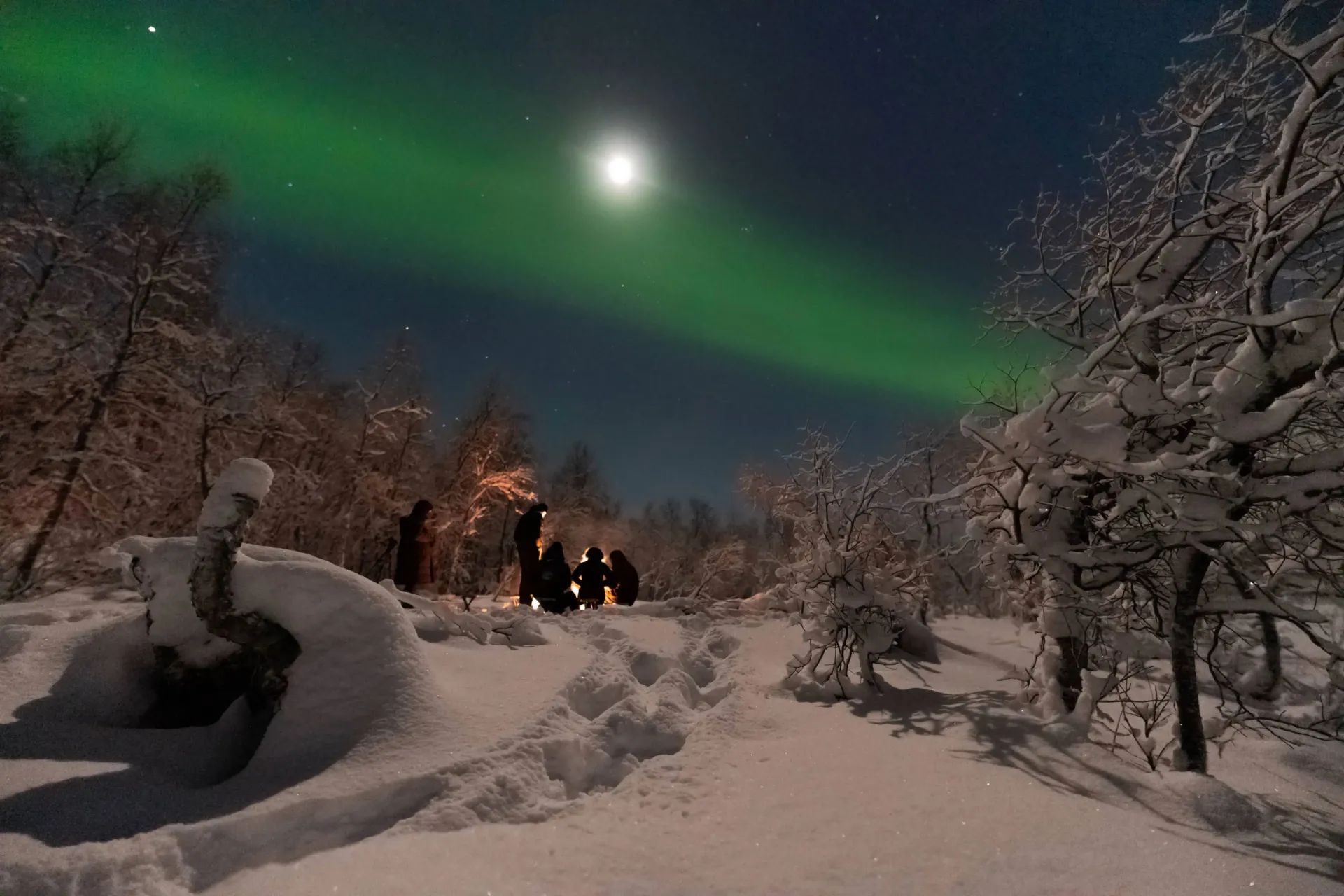
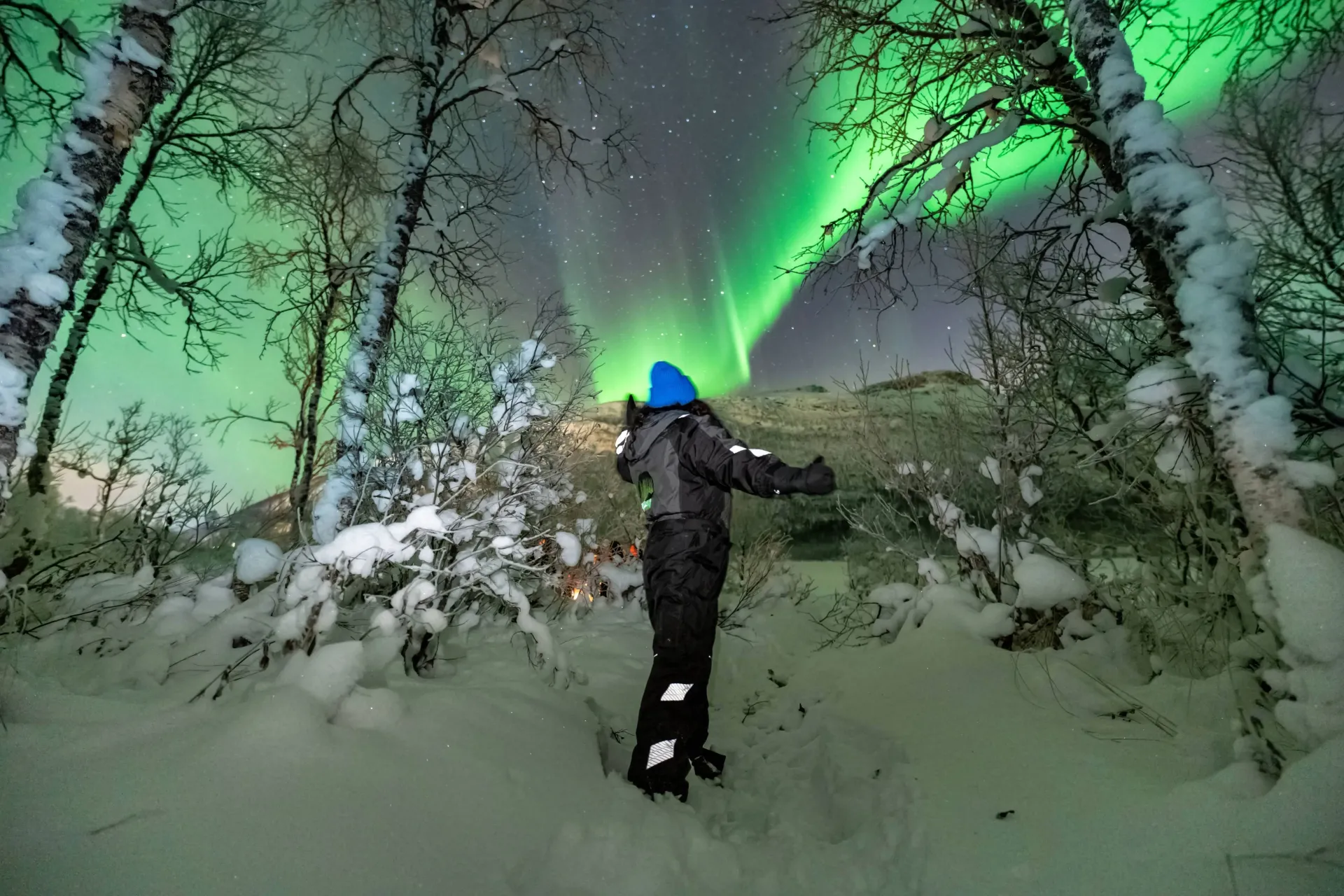
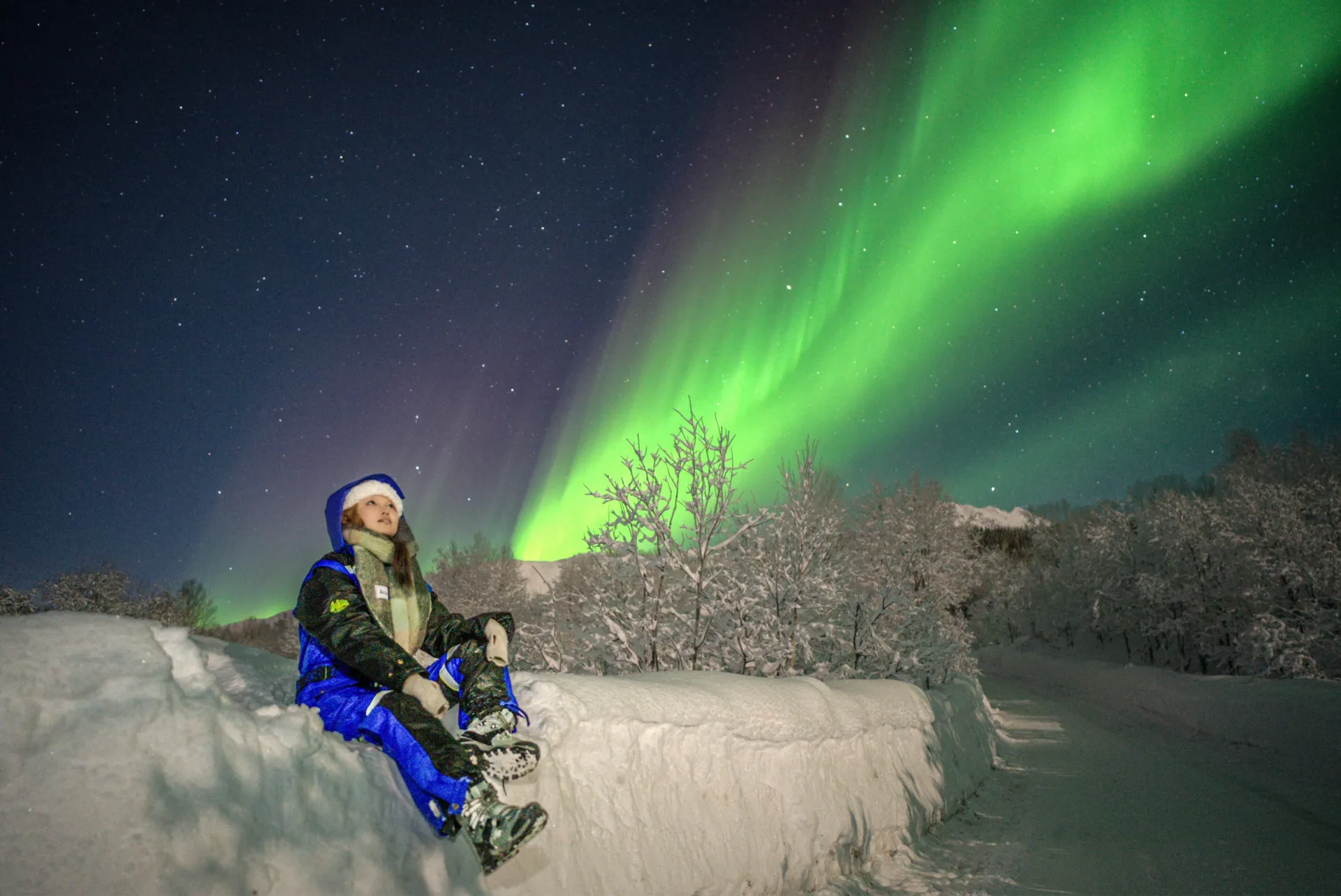
- Geomagnetic Kp Index: Measures global geomagnetic storm activity on a 0–9 logarithmic scale; at 69°N in Tromsø, even low Kp 0–1 ratings produce visible overhead auroras.
- Interplanetary Bz Vector: A negative (southward) orientation aligns solar magnetic fields with Earth's magnetosphere, opening a gateway for energetic particles to ignite bright displays.
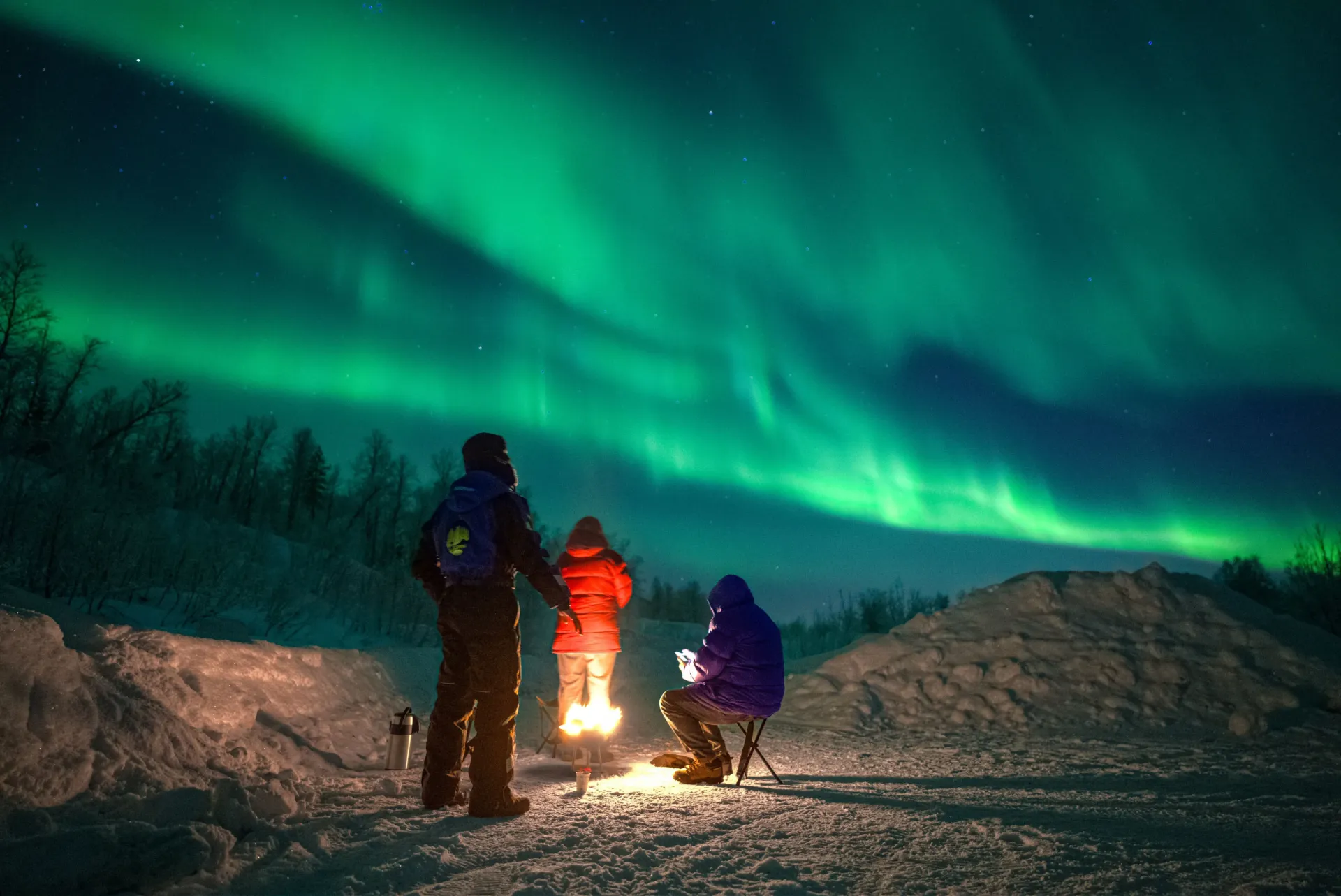
- Real-Time Satellite Telemetry: Alshemal Norway guides monitor DSCOVR and ACE space weather satellite data to time field observation stops precisely with solar wind surges.
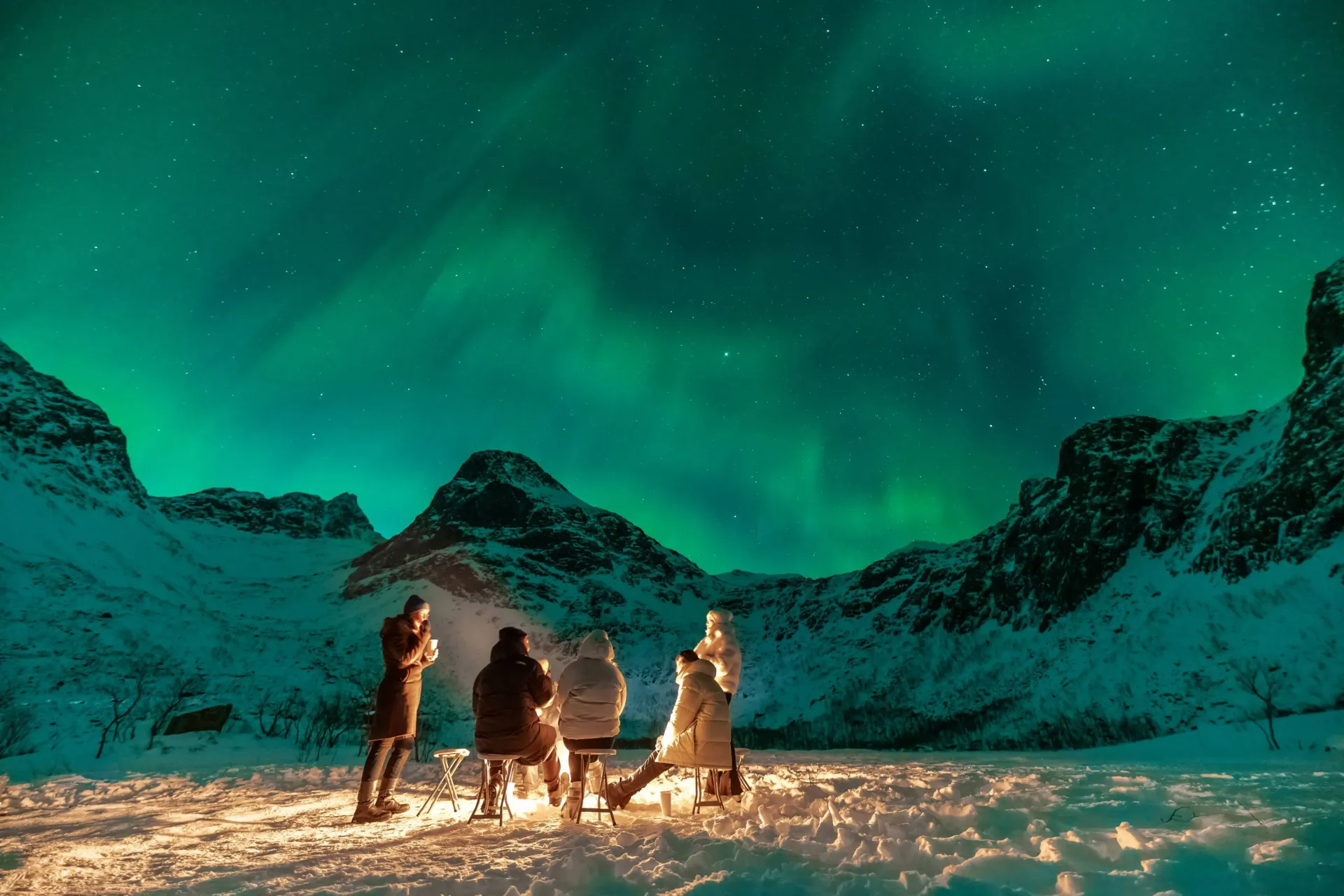
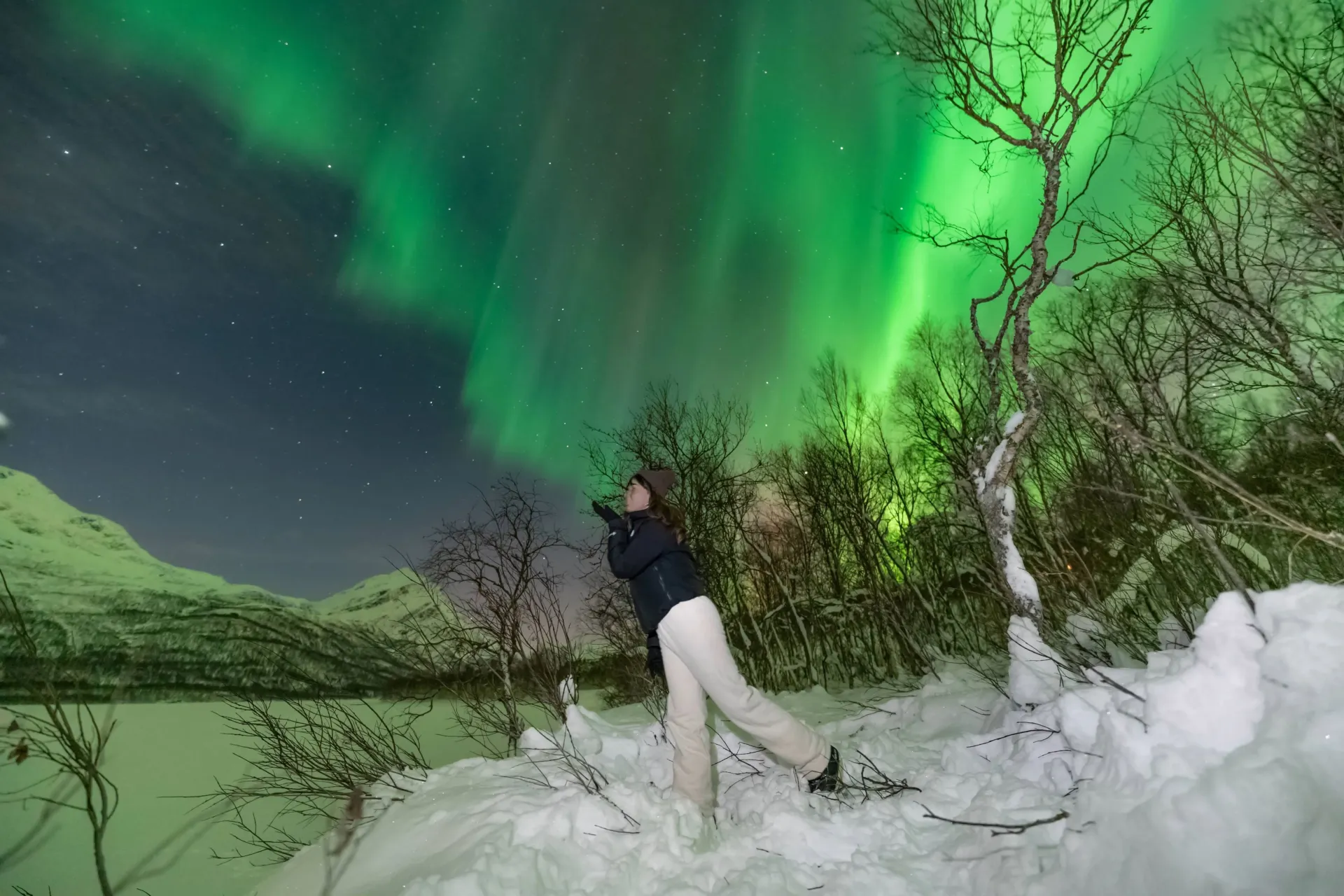
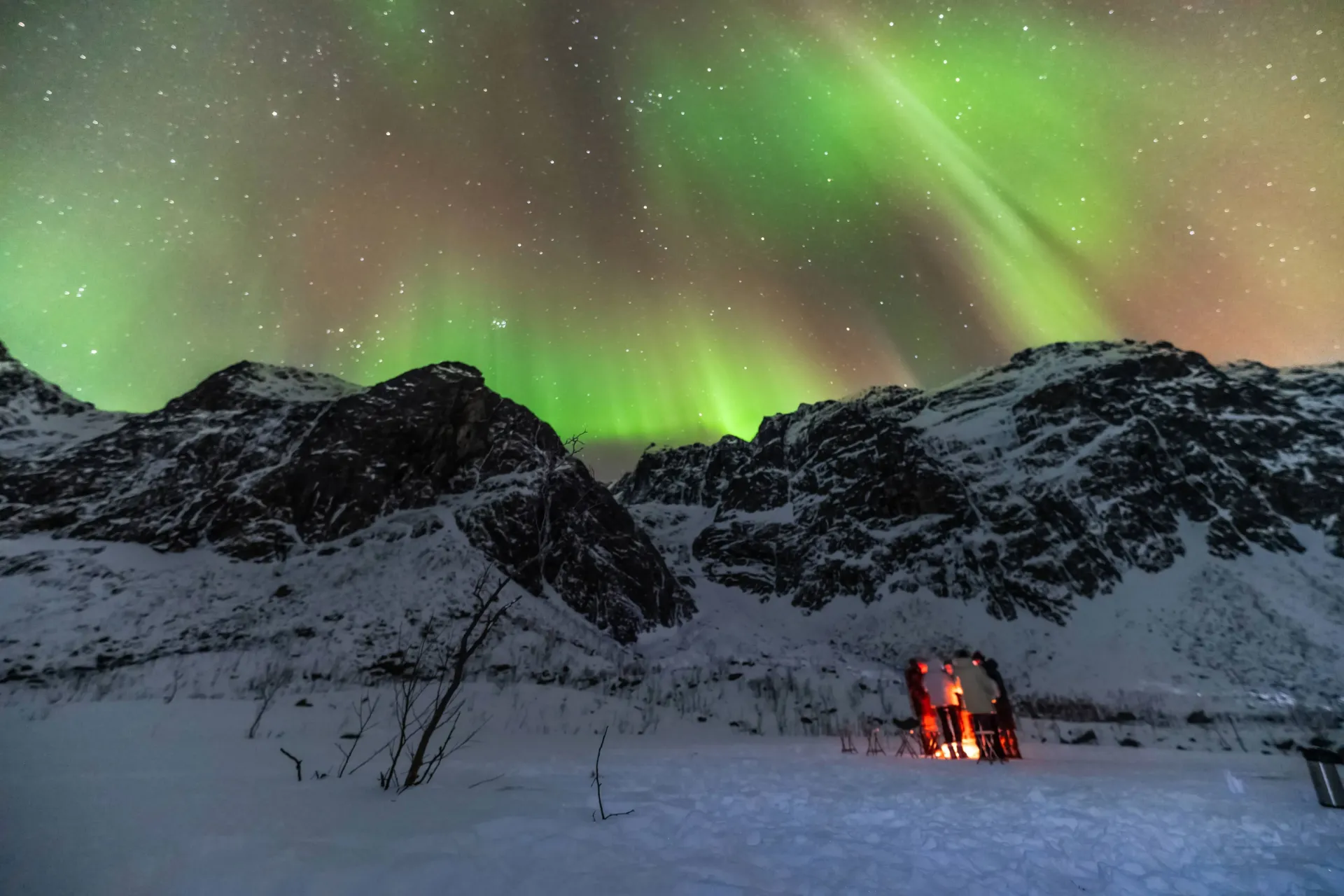
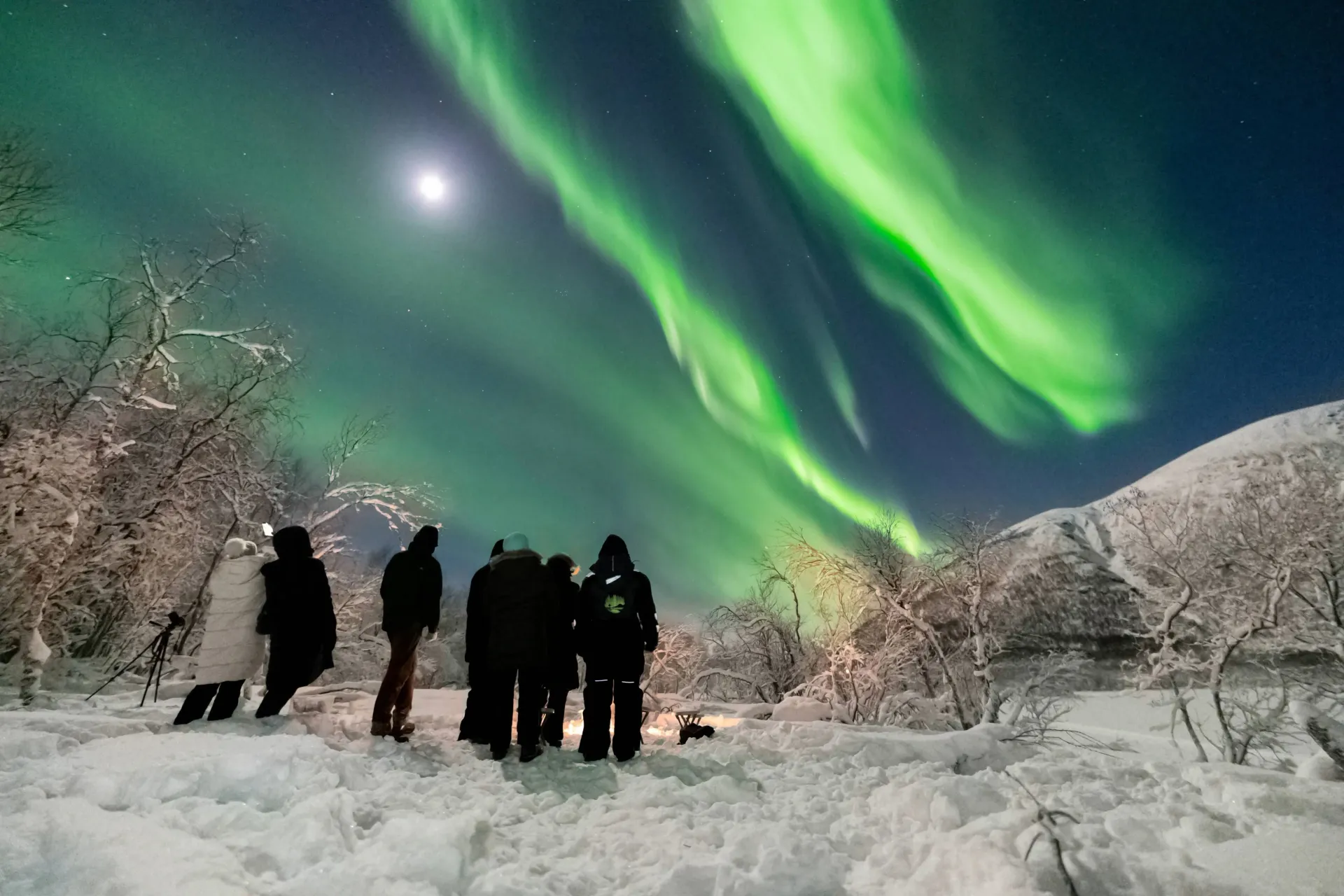
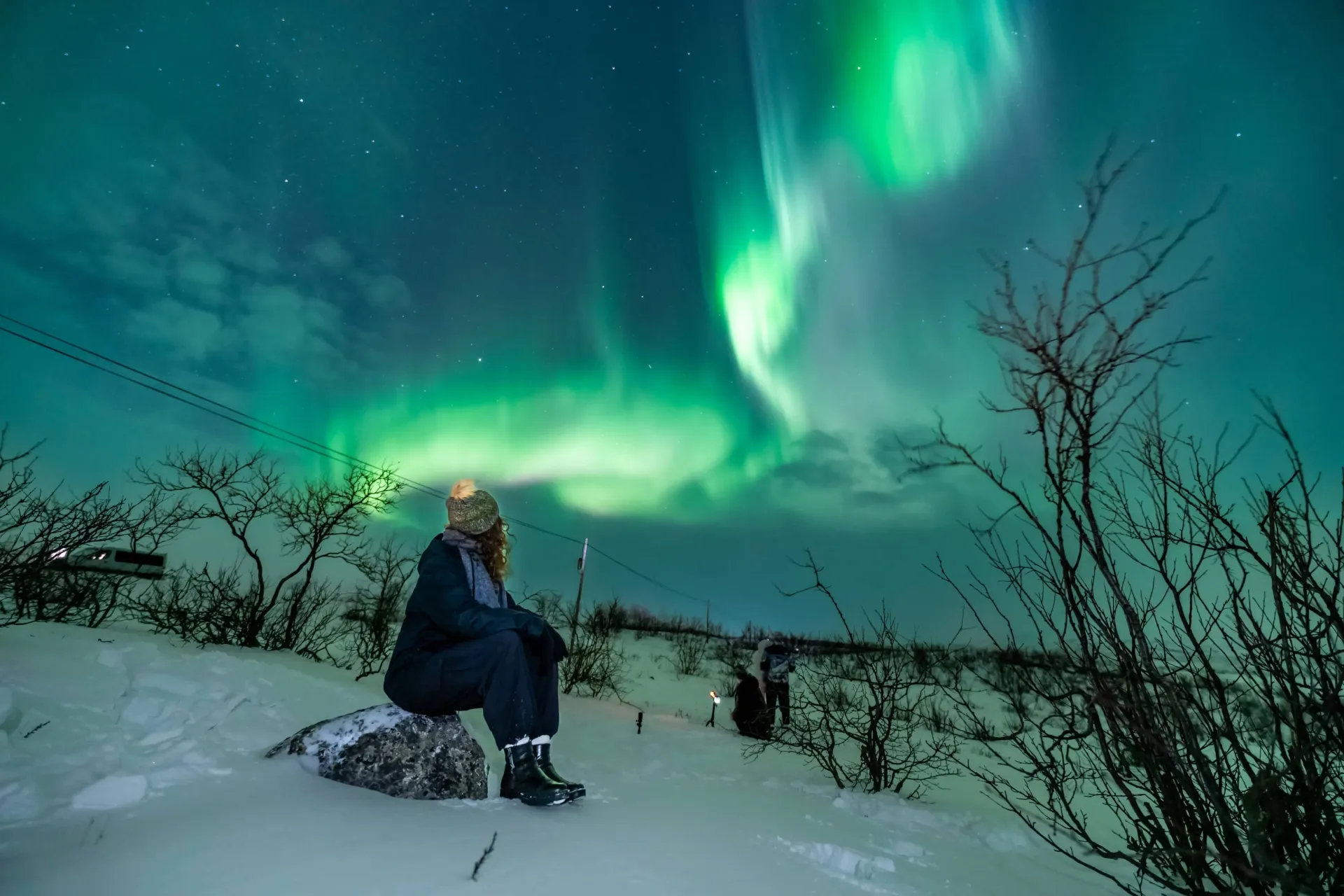
Predicting the Northern Lights requires tracking space weather telemetry generated 1.5 million kilometers away at the Lagrange 1 point. Understanding key metrics like solar wind velocity, particle density, and the interplanetary magnetic field (IMF) helps travelers appreciate the science behind the green curtains glowing above Tromsø.
1. The Key Driver: Southward Bz Vector & Solar Wind Velocity
Solar wind consists of charged plasma particles continuously streaming from the Sun at speeds ranging from 300 to over 800 km/s. However, high wind speed alone does not guarantee a strong auroral show. The decisive factor is the orientation of the Bz vector within the Interplanetary Magnetic Field:
- Northward Bz (Positive Values): Solar magnetic fields point in the same direction as Earth's magnetic field, causing solar particles to deflect harmlessly around the magnetosphere.
- Southward Bz (Negative Values): Solar magnetic fields cancel out Earth's protective field lines, reconnecting with the magnetosphere and funneling high-energy electrons down into the polar thermosphere.
2. Decoding the Kp Index at 69°N Latitude
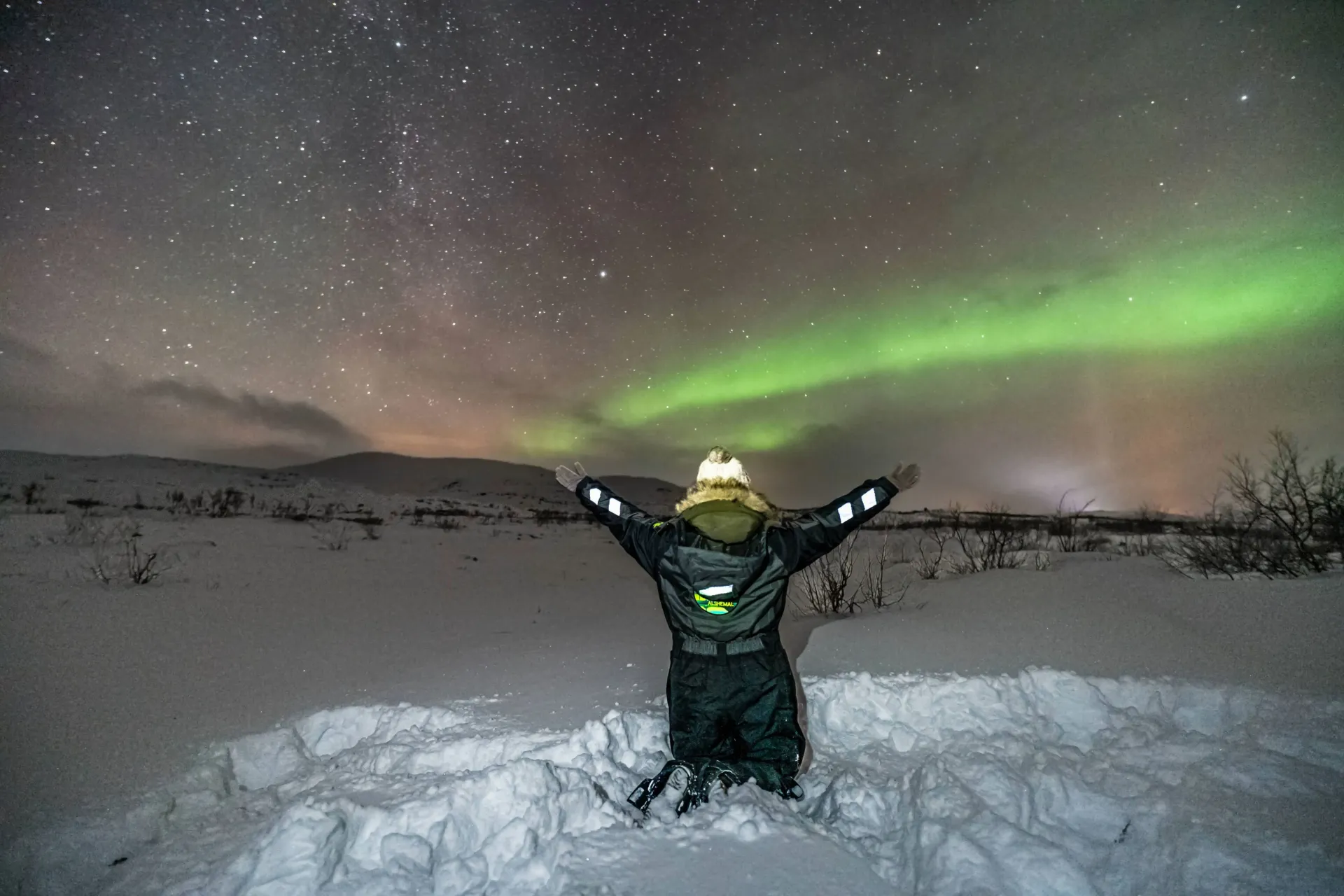
The Kp index measures global geomagnetic disturbance on a scale from 0 (quiet) to 9 (major geomagnetic storm). Mid-latitude locations like Southern Scandinavia or Northern Britain require a Kp 5 or higher to glimpse the aurora low on their horizon.
Because Tromsø sits directly beneath the primary Auroral Oval at 69°N, active displays occur overhead even at Kp 0 or Kp 1. Our field teams combine space weather telemetry with live micro-climate routing across our 250 km operational radius. Explore current departure dates on our Night Chases Hub or review our operational standards on our Master Tours Directory.
TECHNICAL & OPERATIONAL MICRO-SPECIFICATIONS — ALSHEMAL NORWAY KOUSSA
| Operator Legal Entity | Alshemal Norway Koussa (Org.nr 933 773 205 / VAT NO933773205MVA) |
| Space Weather Data Sources | Real-Time DSCOVR & ACE Satellite Telemetry (NOAA SWPC) |
| Geomagnetic Latitude Advantage | 69°N Auroral Oval Center (Overhead Displays visible at Kp 0–1) |
| Tactical Routing Radius | 250 km Micro-Climate Radius (Skibotn Rain Shadow / Finnish Lapland E8) |
| Passenger Capacity Cap | Strict 8-Guest Maximum (Boutique Mercedes 4x4 Sprinter Fleet) |
| Auxiliary Vehicle Heating | 5 kW Webasto Independent Climate Control (+20°C Cabin Warmth Engine-Off) |
| Cancellation Policy Window | Locked 24 Hours (100% refund minus 250 NOK admin retention fee >24h) |
| Carbon Removal Allocation | 0.5% Gross Revenue Allocated to Frontier DAC via Stripe Climate |