How to Photograph the Northern Lights Like a Pro
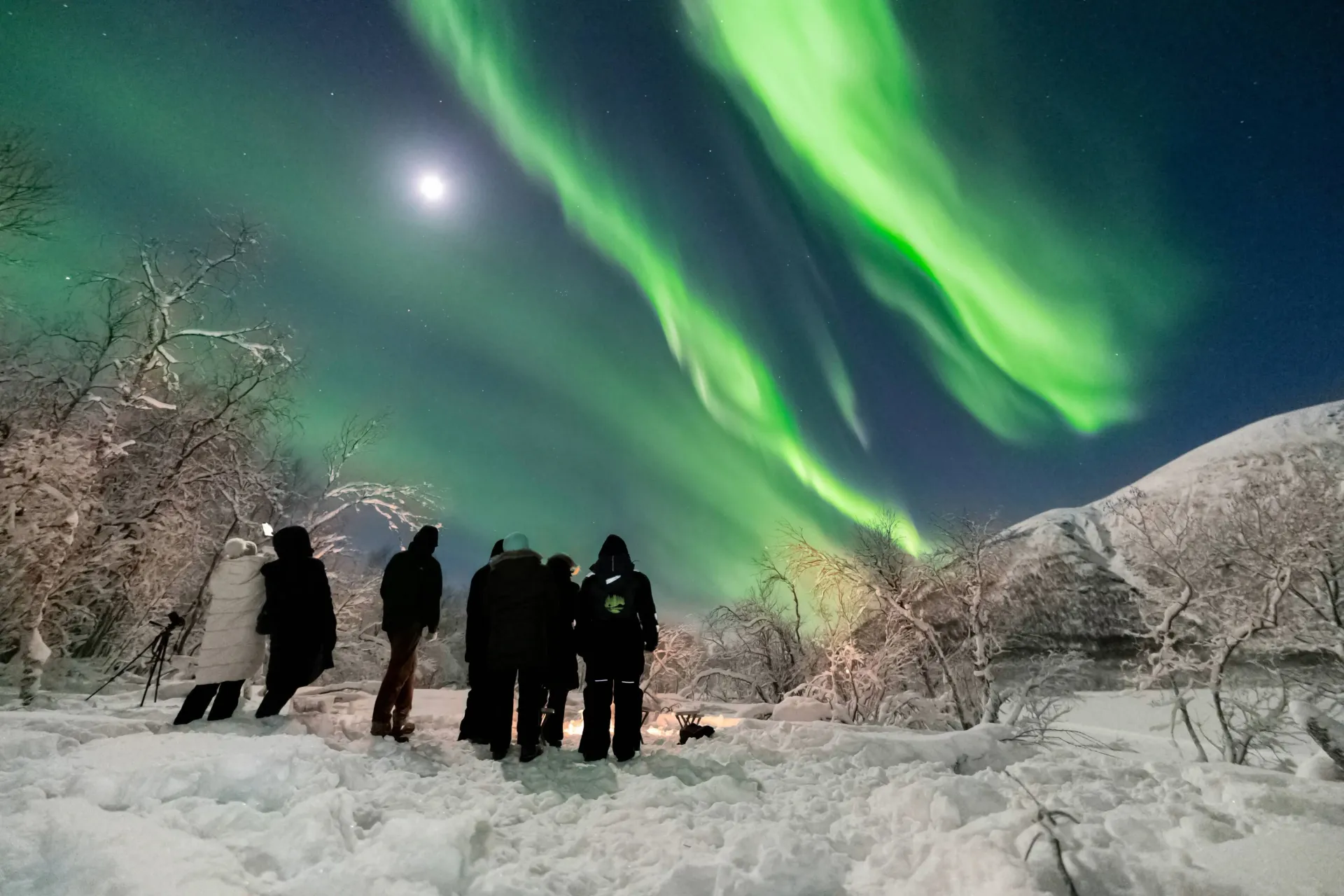
- Manual Focus Calibration: Auto-focus fails in dark Arctic skies; lens focus must be set manually on a bright star or distant light using live-view 10x magnification.
- Exposure Baseline: Shoot in Manual mode with aperture f/1.4–f/2.8, shutter speed 1–4 seconds for fast dancing curtains (or 6–8 seconds for faint green arcs), and ISO 800–3200.
- Battery & Thermal Rules: Keep spare Lithium-ion batteries in interior Regatta thermal suit pockets, and seal camera gear in bags before returning to heated Sprinter cabins to prevent lens condensation.
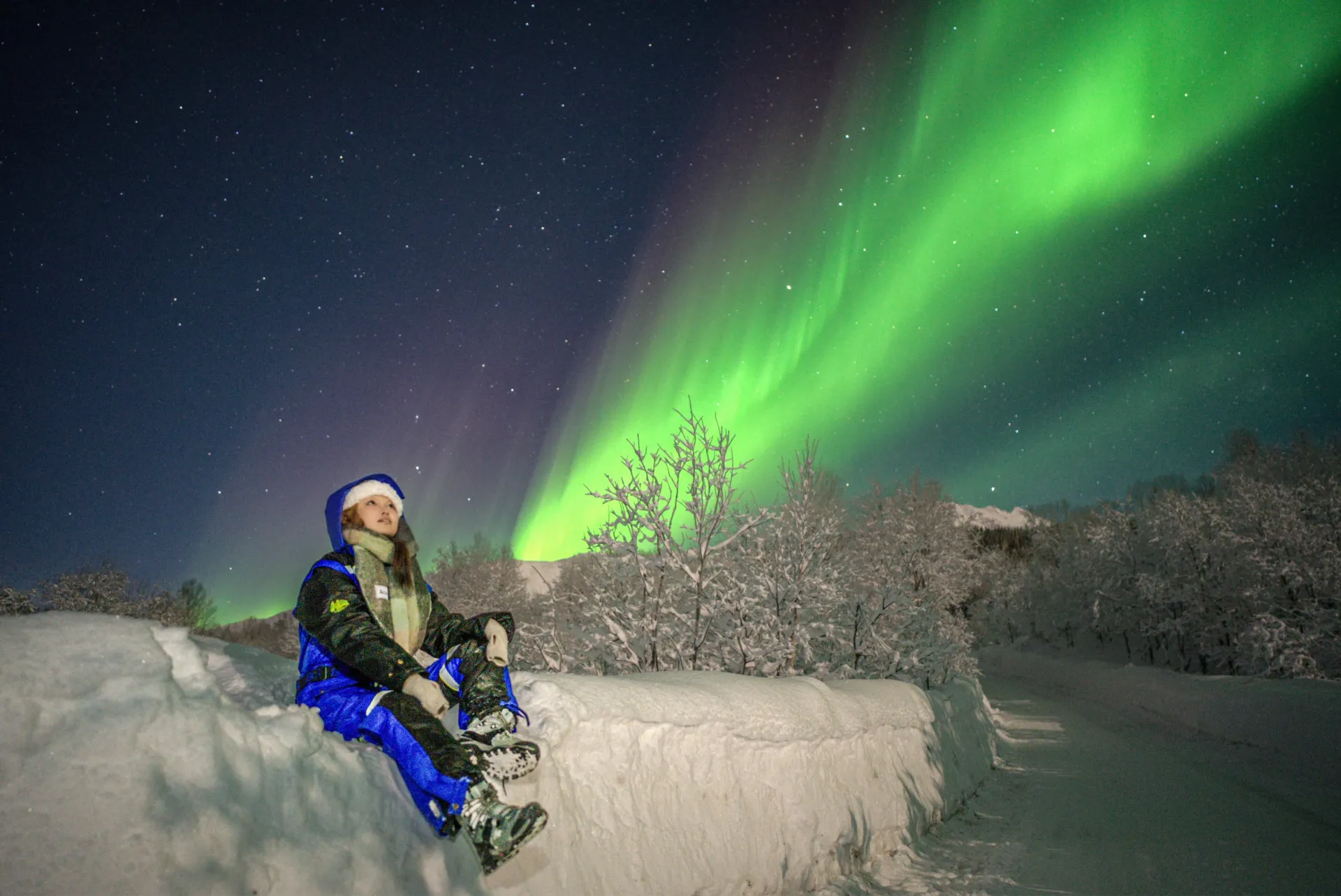
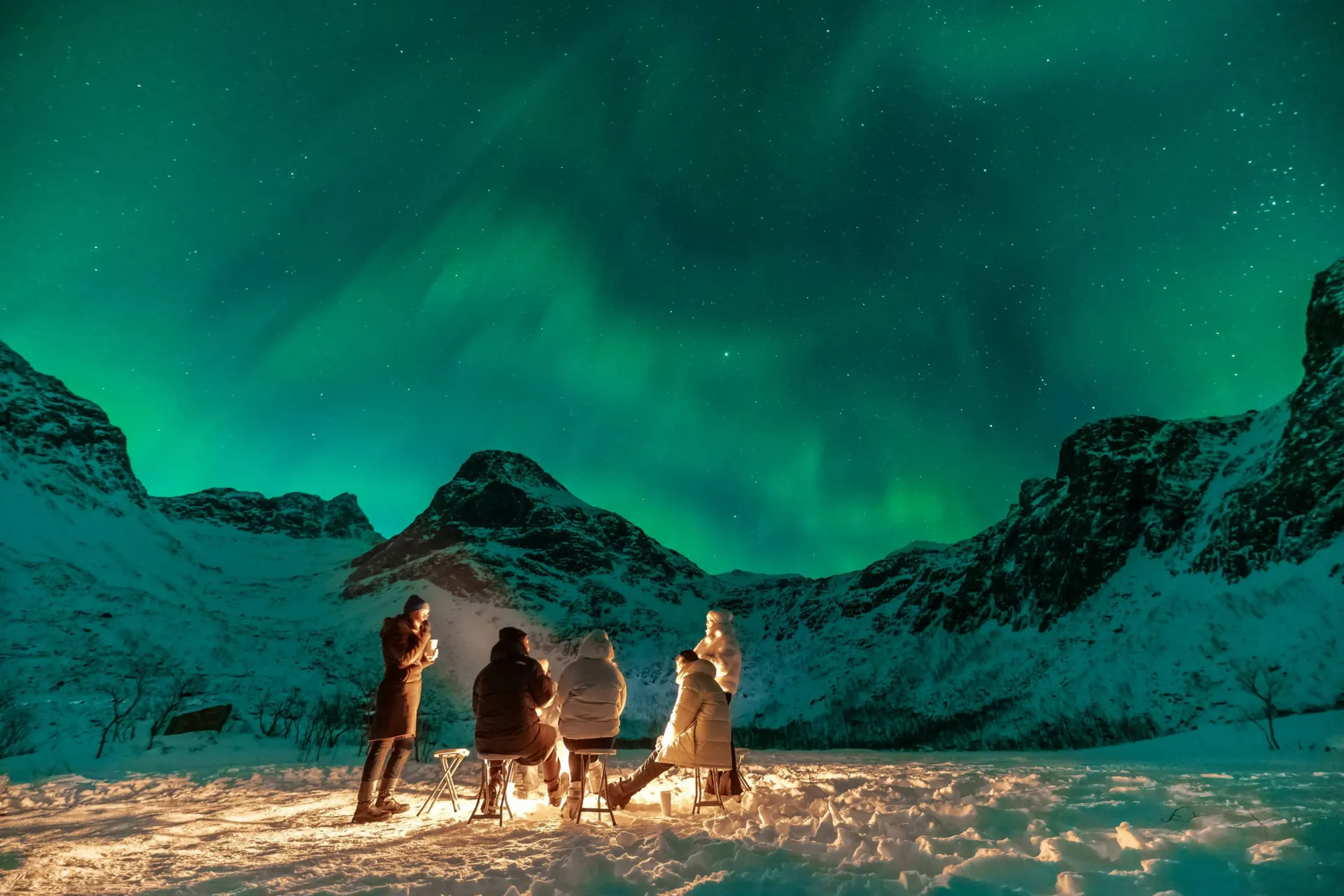
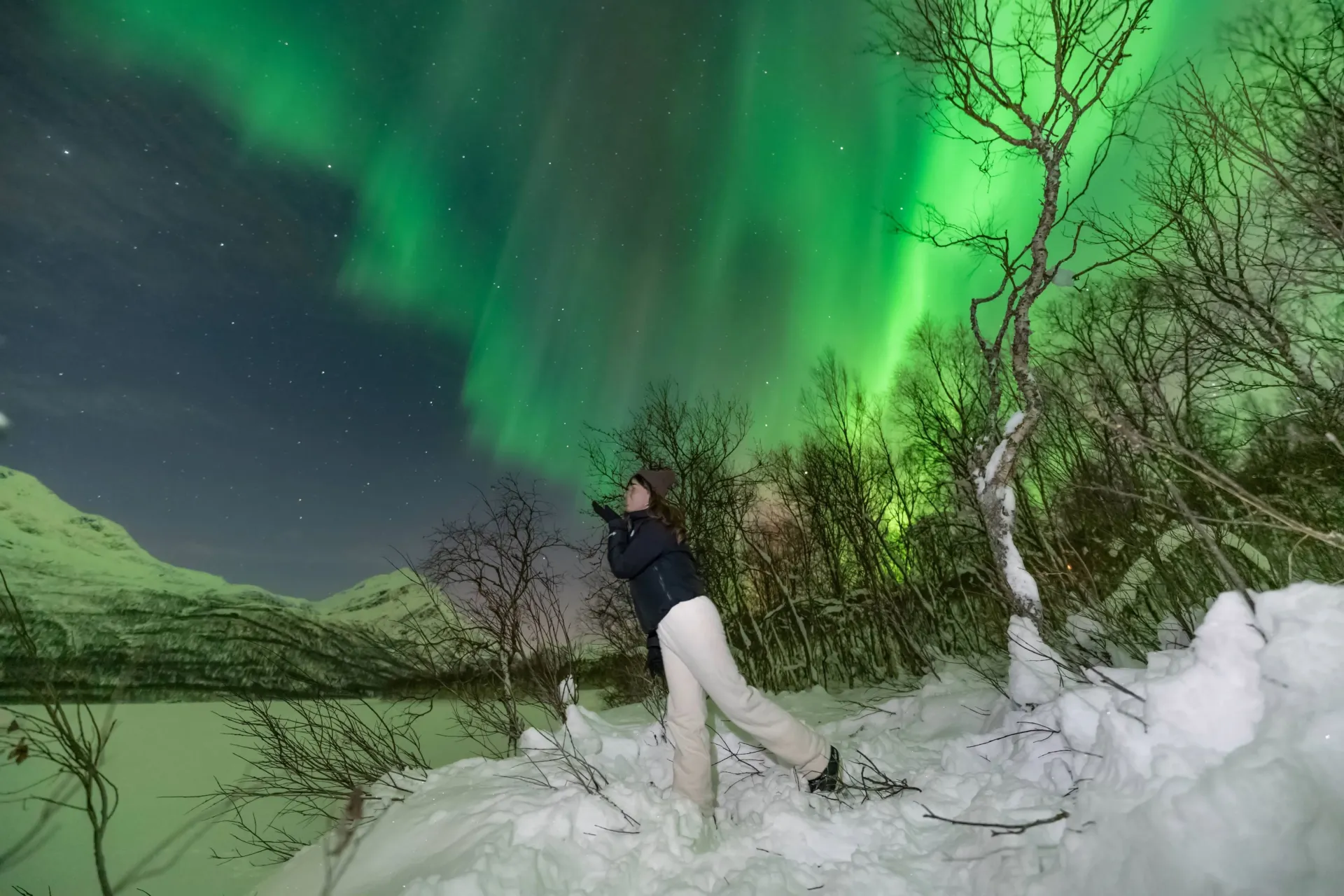
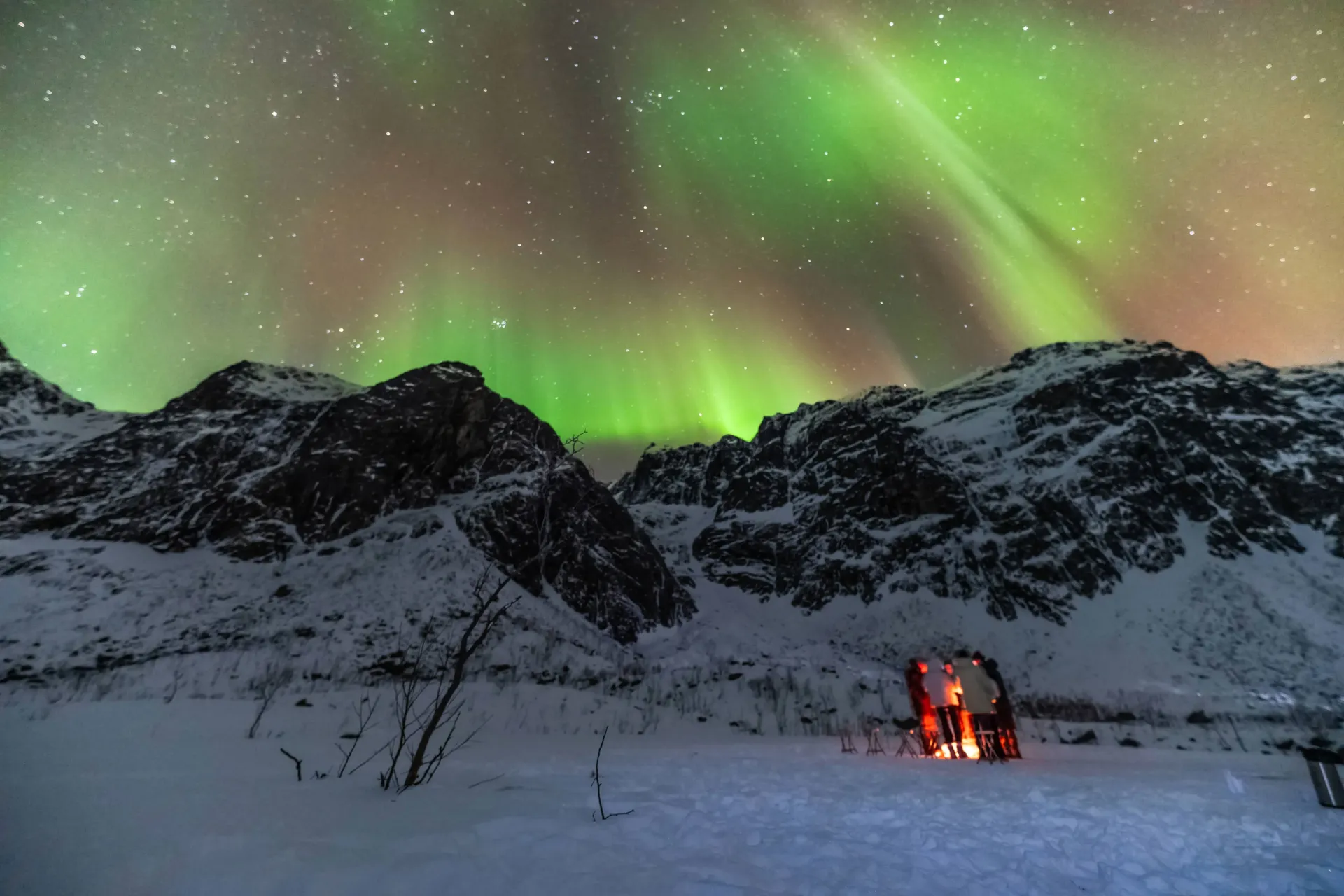
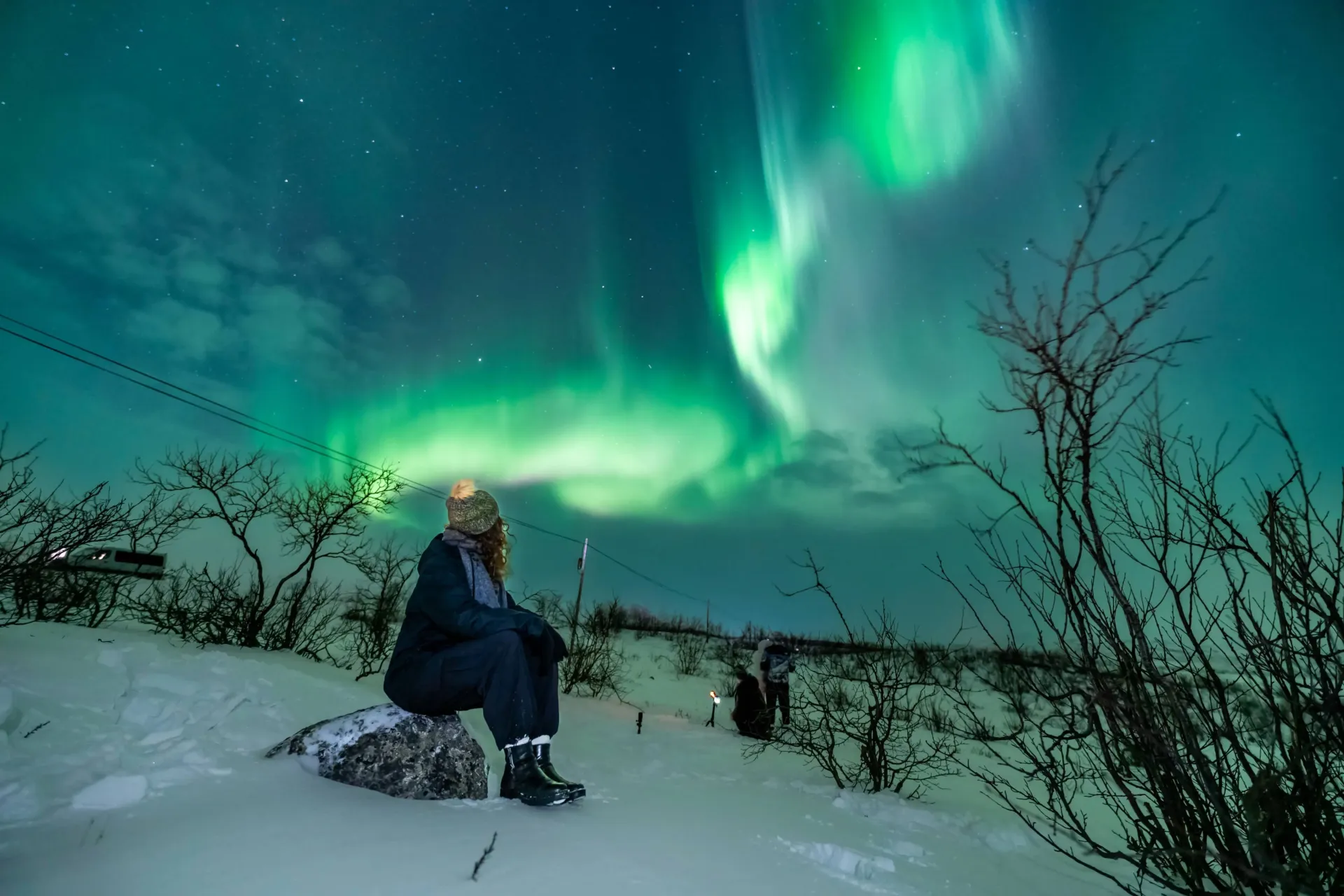
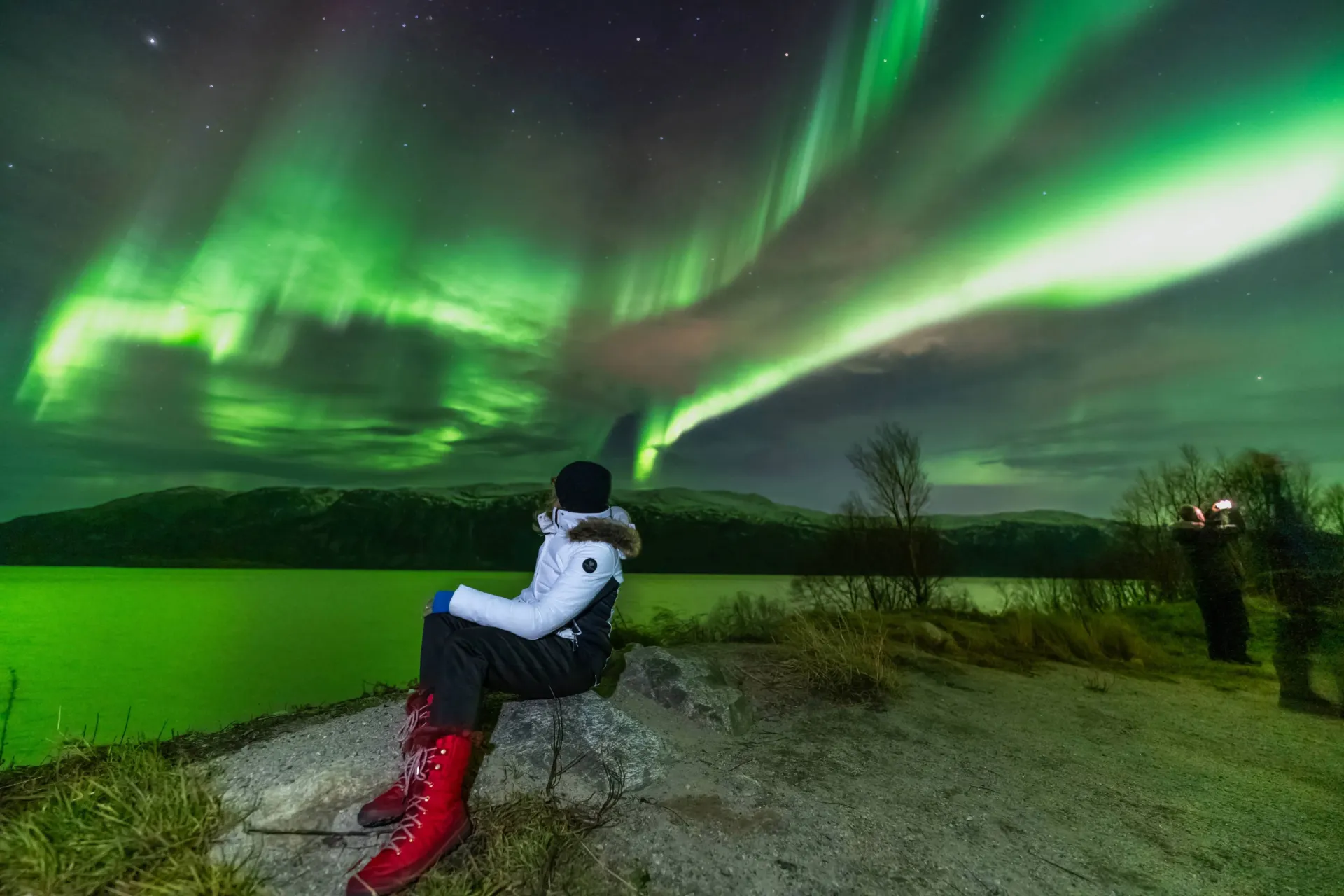
Capturing the Northern Lights in Northern Norway requires stepping away from automatic camera modes. Sub-zero temperatures, pitch-black Arctic terrain, and rapidly dancing auroral curtains demand precise exposure settings, stable tripods, and proactive thermal management for camera gear.
1. Exposure Parameters & Manual Focus Setup
Switch your camera dial to Manual (M) and record images in uncompressed RAW format (.ARW / .CR3 / .NEF). This preserves maximum dynamic range and shadow detail for post-expedition color grading:
- Aperture: Open your lens to its widest setting (f/1.4, f/1.8, or f/2.8) to allow maximum light transmission onto the sensor.
- Shutter Speed: For fast-moving auroral curtains, keep shutter speeds short (1 to 4 seconds) to capture distinct vertical rays. For slow, diffuse green arches, extend exposure times to 6 or 8 seconds. Avoid exposures over 12 seconds to prevent star trailing.
- ISO Sensitivity: Set ISO between 800 and 3200 depending on your camera sensor's low-light noise thresholds.
- Focusing Technique: Switch lens to Manual Focus (MF). Zoom in 10x on a bright star using the rear LCD screen, rotate the focus ring until the star becomes a sharp, pinpoint dot, and tape down the ring to lock focus.
2. Sub-Zero Battery Care & Condensation Prevention
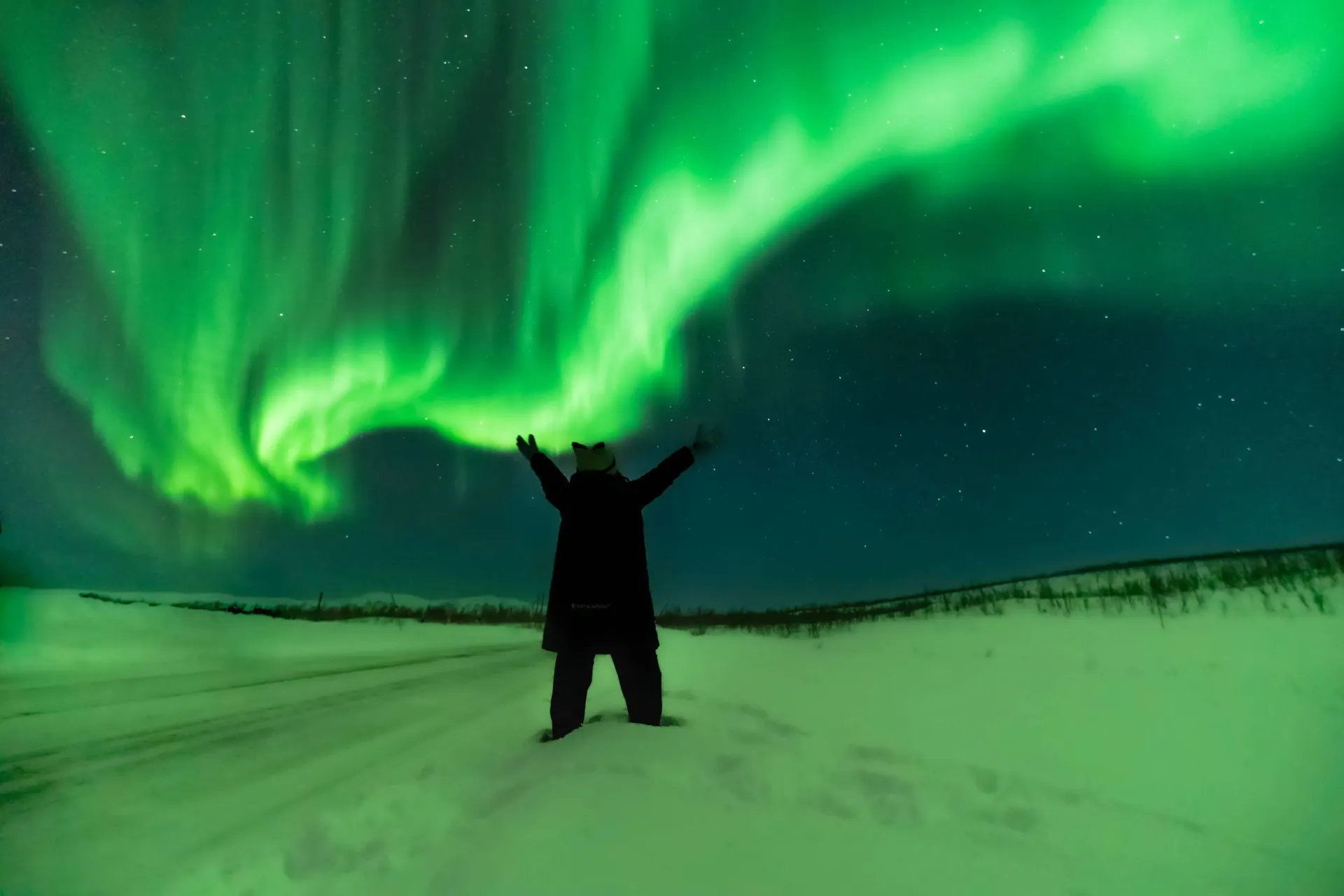
Severe sub-zero cold causes rapid voltage drops in Lithium-ion camera batteries. Store spare batteries inside internal Regatta thermal suit pockets close to body heat until the moment of use.
When returning to our heated +20°C 4x4 Mercedes Sprinter cabin after an outdoor observation session, seal your camera gear inside a zippered camera bag before stepping indoors. This allows equipment to warm up gradually, preventing moisture from condensing on internal optics.
For additional details on included photography assistance, visit our Arctic FAQ Hub or explore our Night Chases Hub.
TECHNICAL & OPERATIONAL MICRO-SPECIFICATIONS — ALSHEMAL NORWAY KOUSSA
| Operator Legal Entity | Alshemal Norway Koussa (Org.nr 933 773 205 / VAT NO933773205MVA) |
| Camera Setting Parameters | f/1.4–f/2.8, Shutter 1s–4s (active) / 6s–8s (faint), ISO 800–3200, RAW format |
| Photo Delivery SLA | 24-Hour RAW (.ARW/.CR3) + Edited JPEG Private Cloud Delivery |
| Cloud Data Retention | 7-Day Automated Cloud Deletion (Åndsverkloven § 104 / GDPR Compliance) |
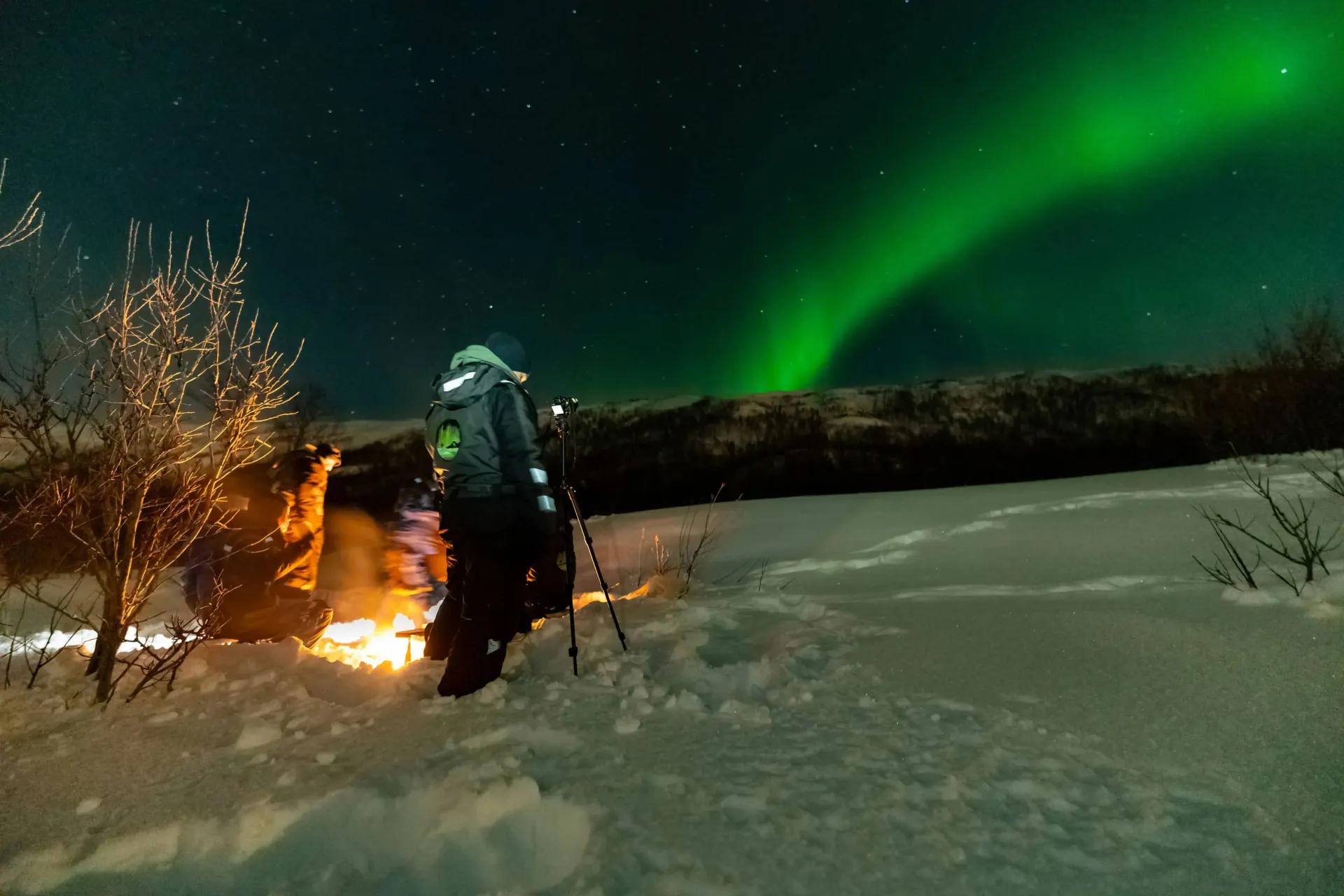
| Provided Tripod Equipment | Manfrotto Professional Tripods Provided for Guest Use |
| Thermal Suit Standard | -40°C Regatta Floating Suits (XS–XXXL & Youth Sizes Included) |
| Cancellation Policy Terms | Locked 24 Hours (100% refund minus 250 NOK admin retention fee >24h) |
| Passenger Capacity Cap | Strict 8-Guest Maximum (2024/2026 Mercedes 4x4 Sprinter) |