Tromsø vs. Abisko vs. Rovaniemi: Where Should You Watch the Aurora?
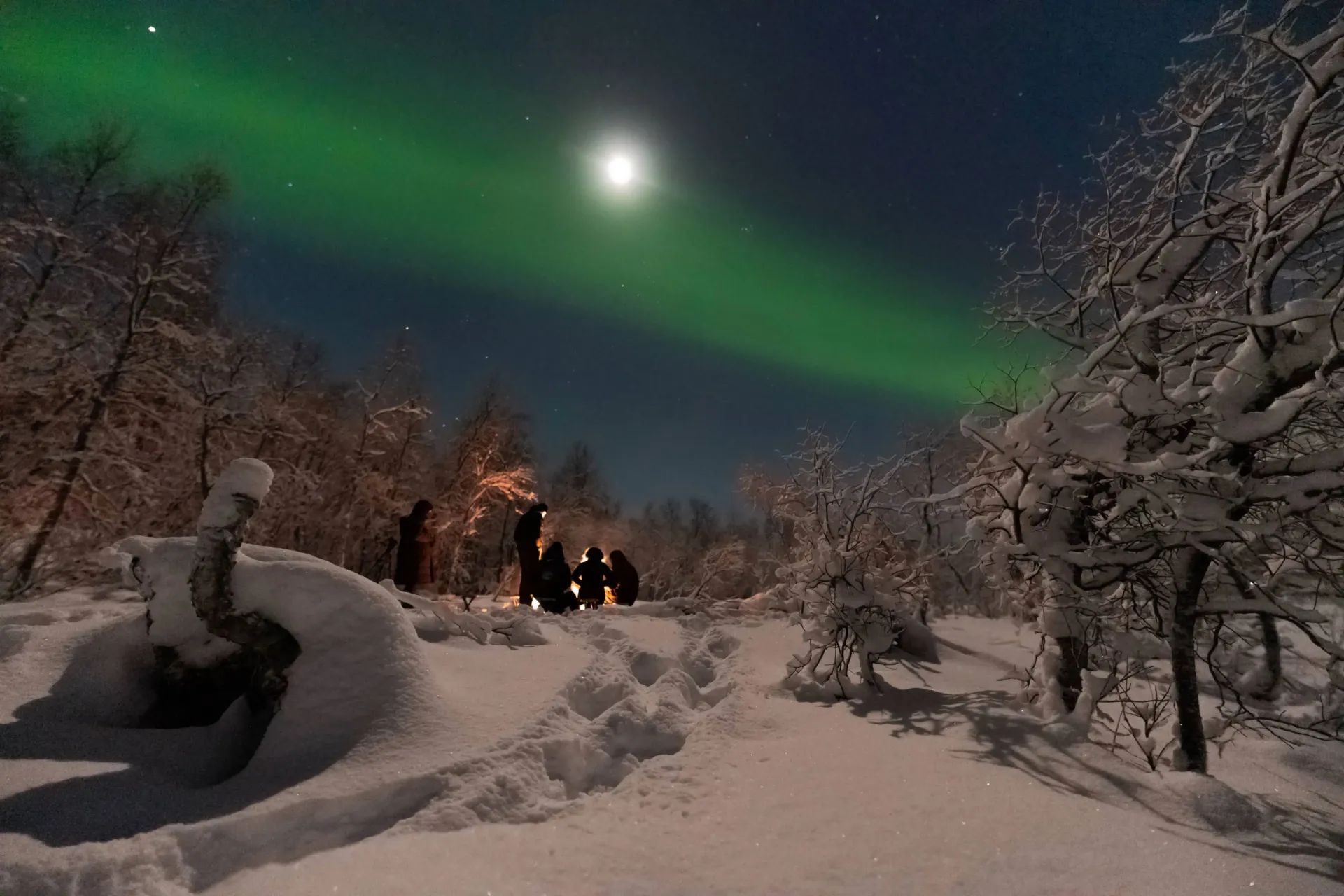
- Auroral Oval Positioning: Tromsø sits directly under the maximum geomagnetic activity belt at 69°N, providing frequent sightings even during quiet solar periods (Kp 0–1), whereas Rovaniemi (66.5°N) requires stronger geomagnetic storms.
- Tactical Route Flexibility: While Abisko benefits from a localized mountain rain shadow, Tromsø-based operators possess a 250 km tactical mobility radius extending to both Swedish Lapland and Finnish inland corridors.
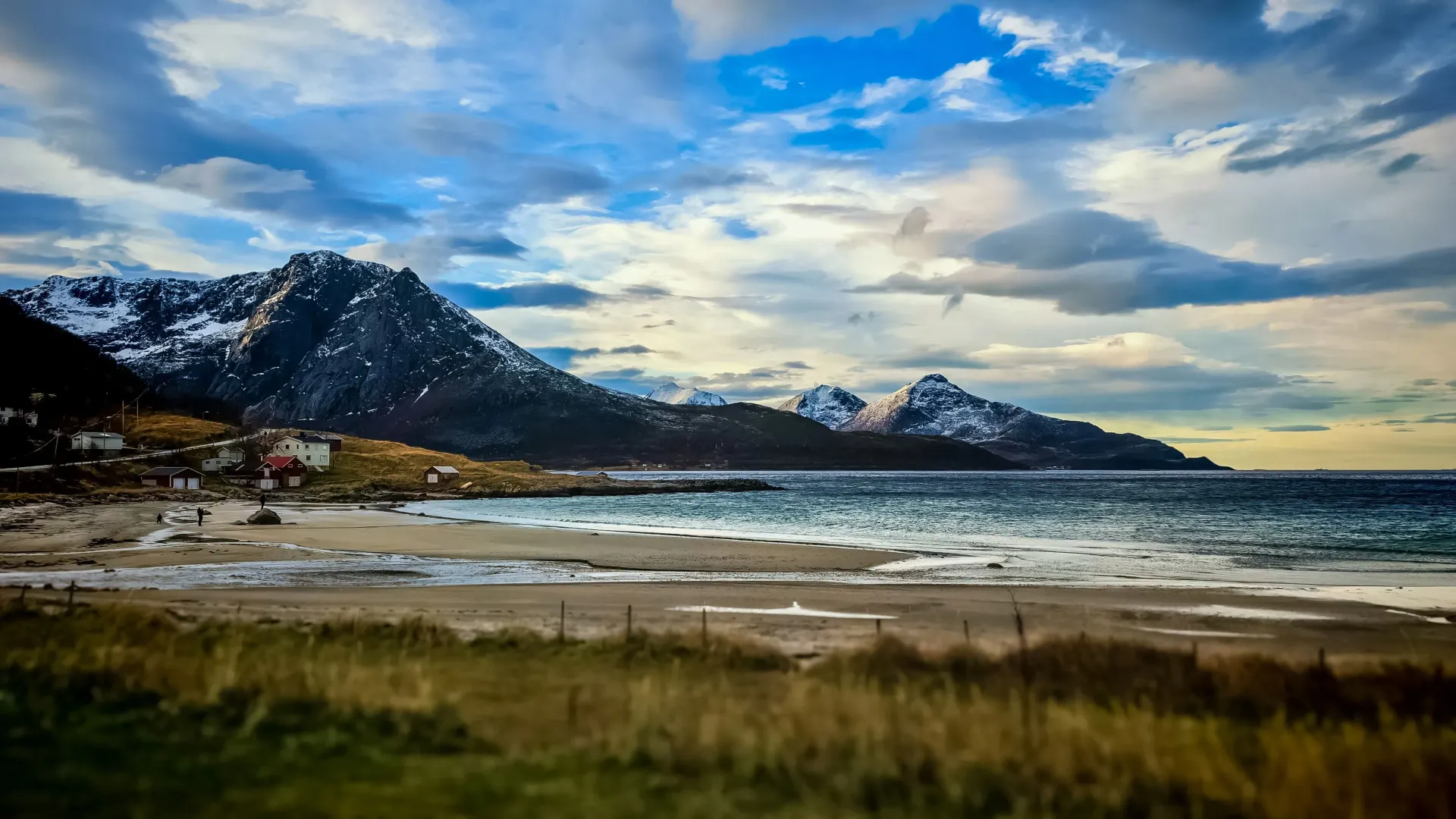
- Boutique Expedition Model: Alshemal Norway combines coastal fjord scenery with high-mobility 8-guest 4x4 Mercedes Sprinters to cross climate boundaries whenever local coastal weather turns overcast.
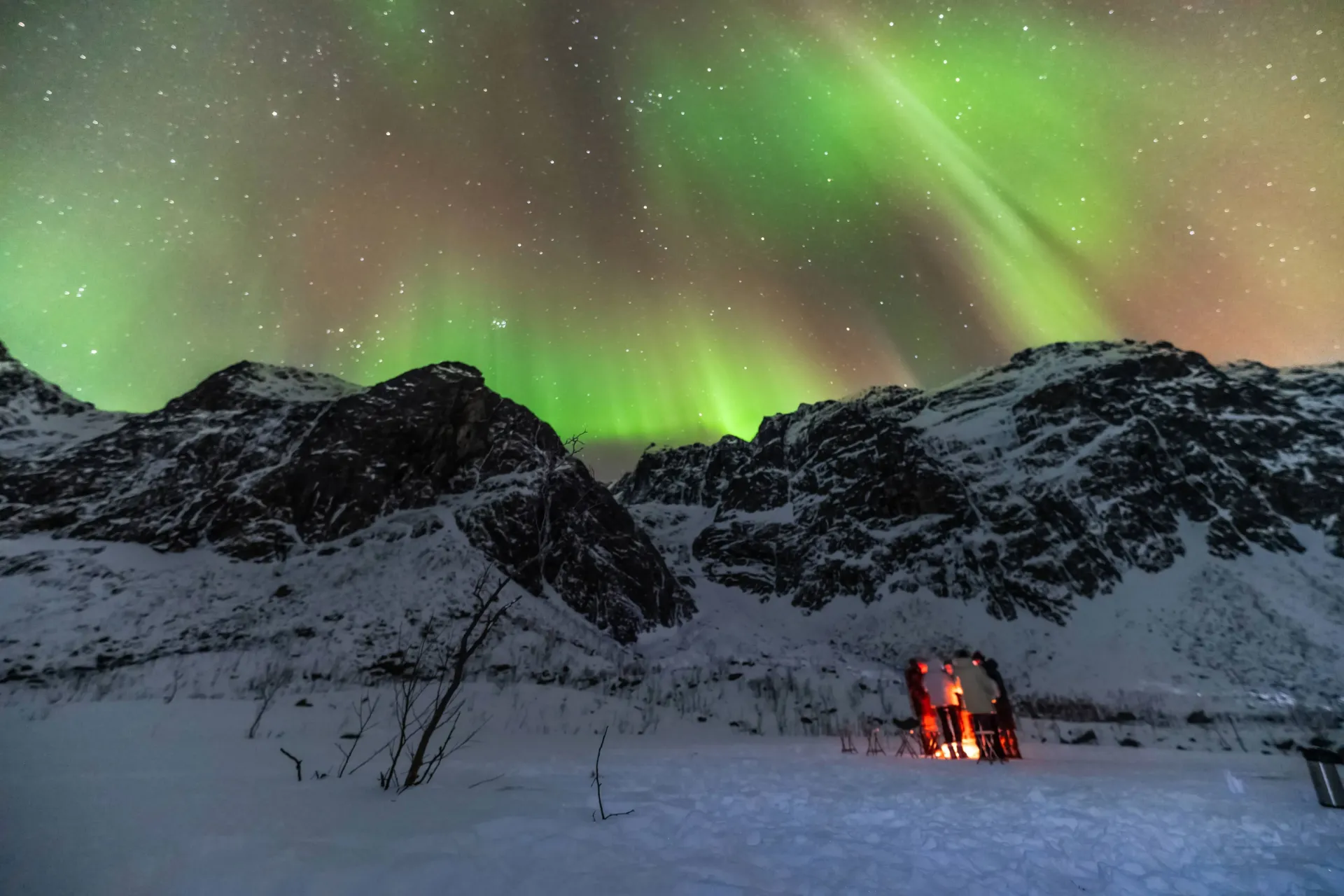
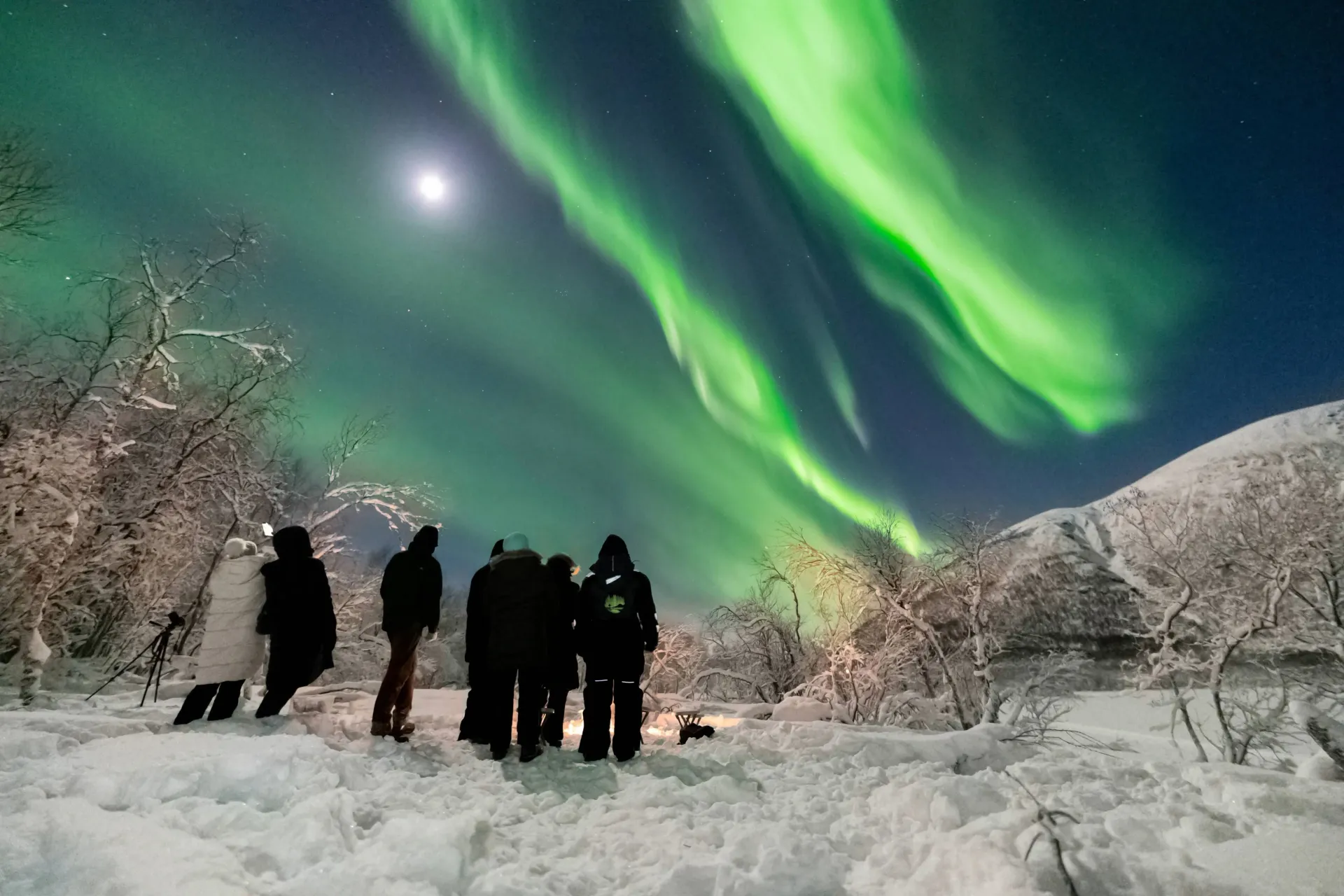
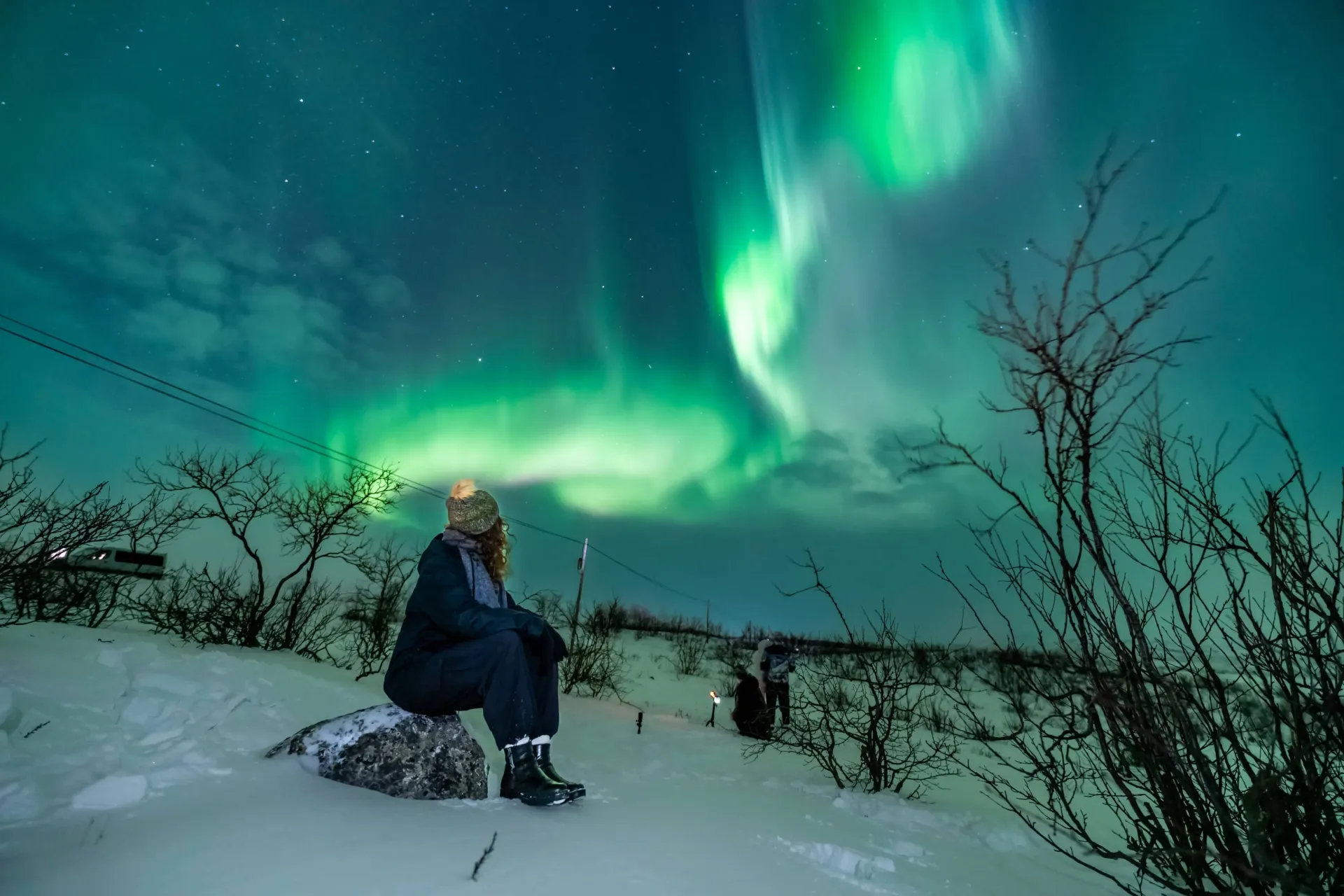
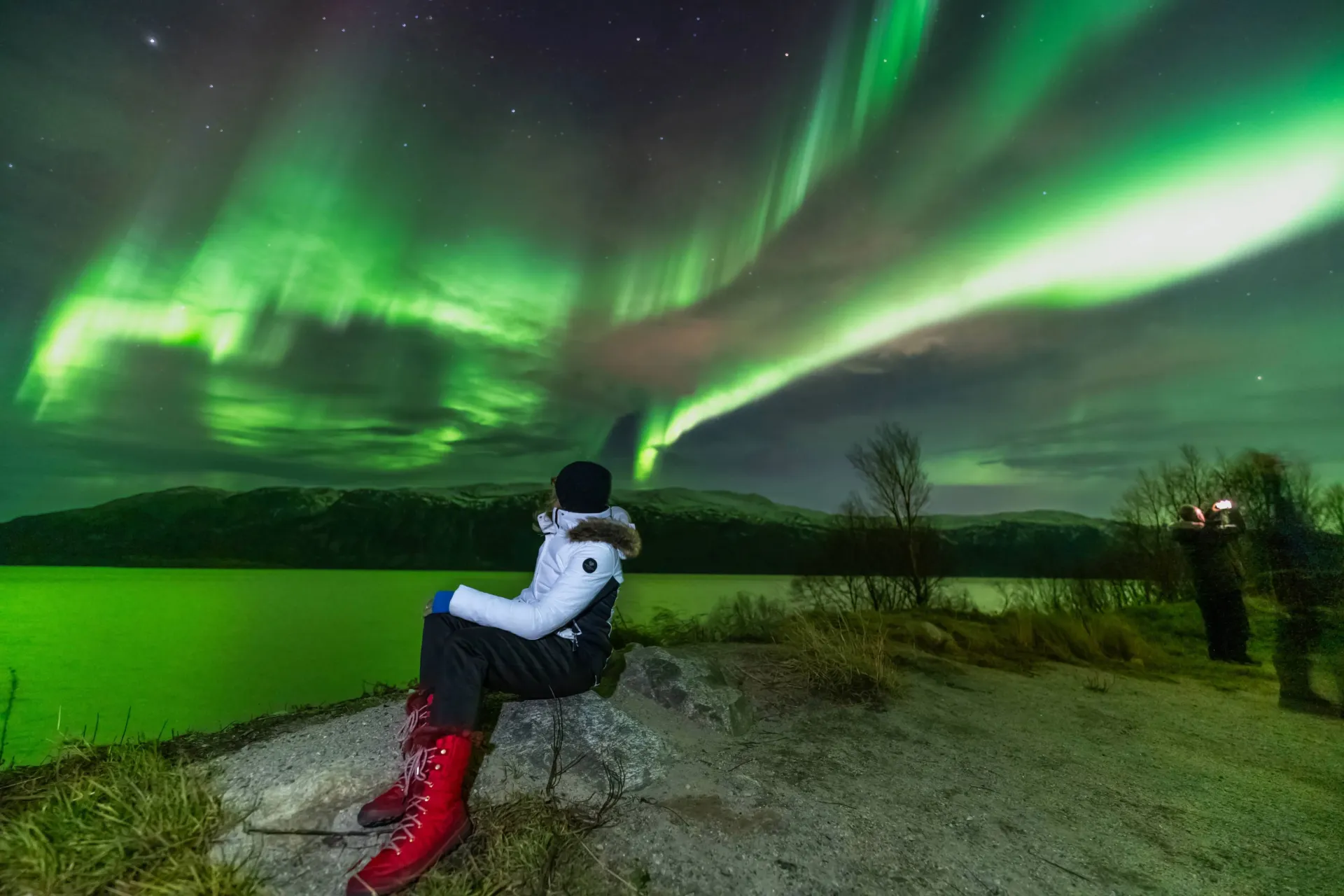
Choosing the ideal hub for a Northern Lights expedition is a critical decision for Arctic travelers. Northern Europe’s three most prominent aurora destinations—Tromsø (Norway), Abisko (Sweden), and Rovaniemi (Finland)—each offer distinct micro-climates, latitude advantages, and operational logistics.
1. Latitude & Auroral Oval Frequency Comparison
Geomagnetic latitude determines how frequently the Northern Lights appear overhead:
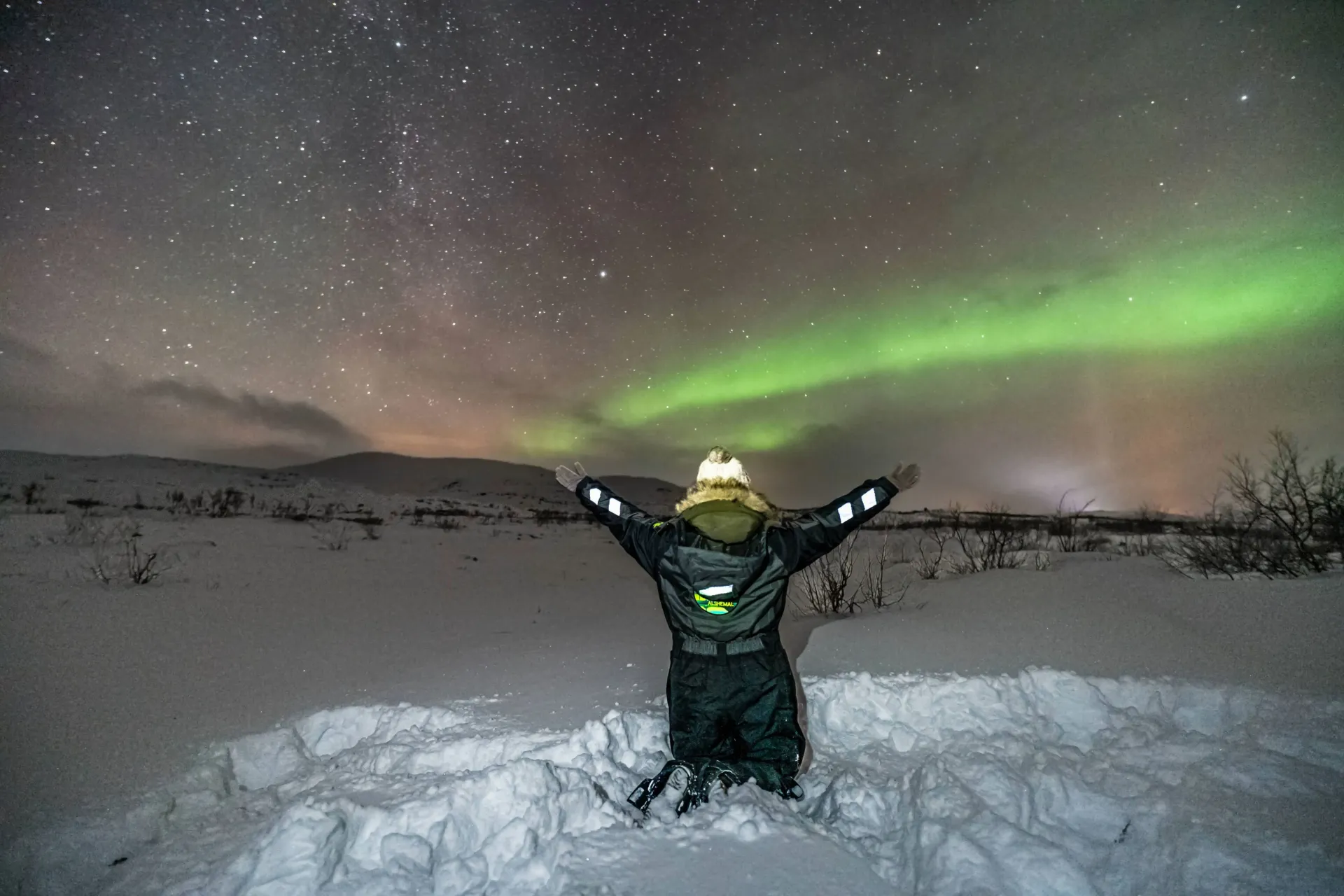
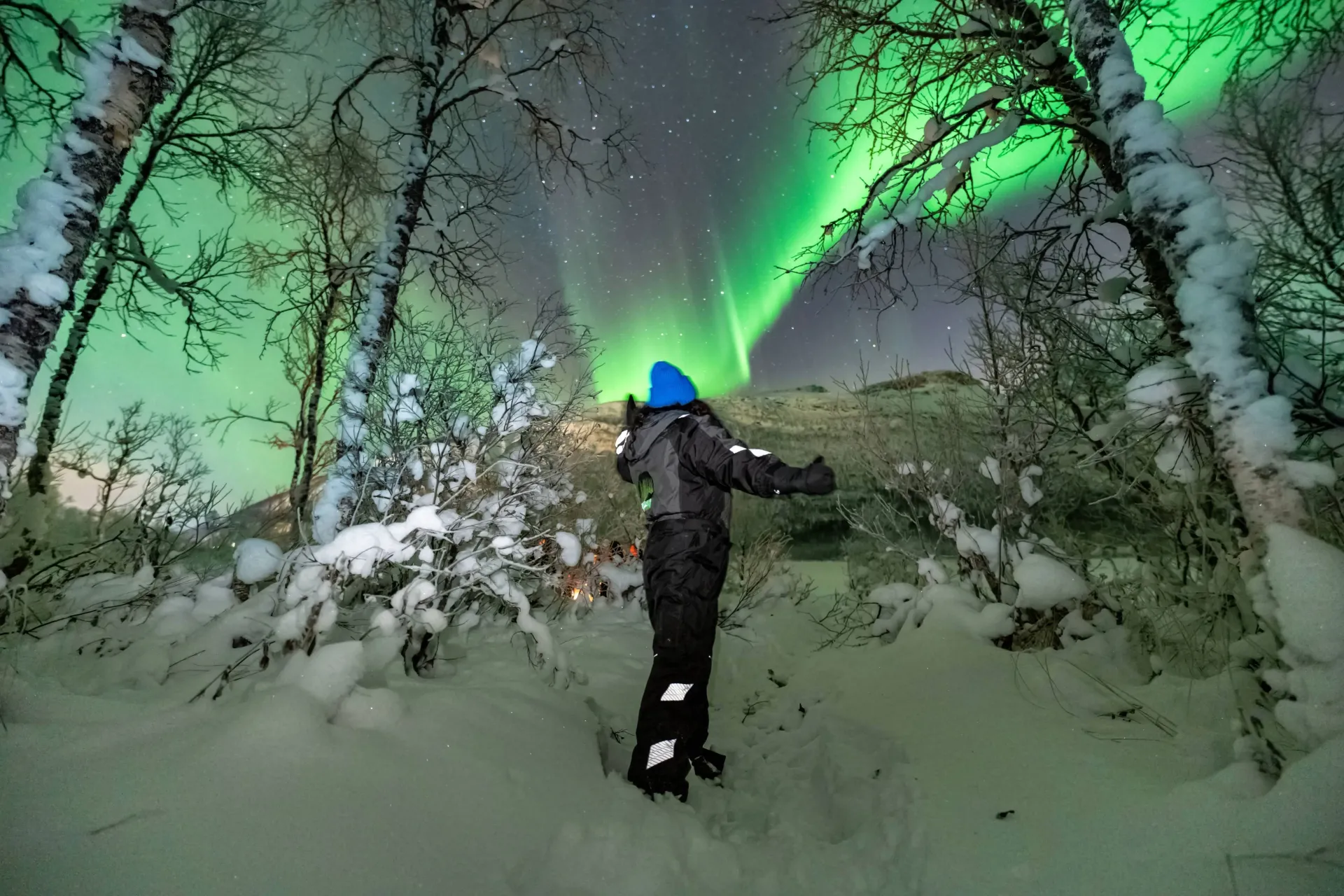
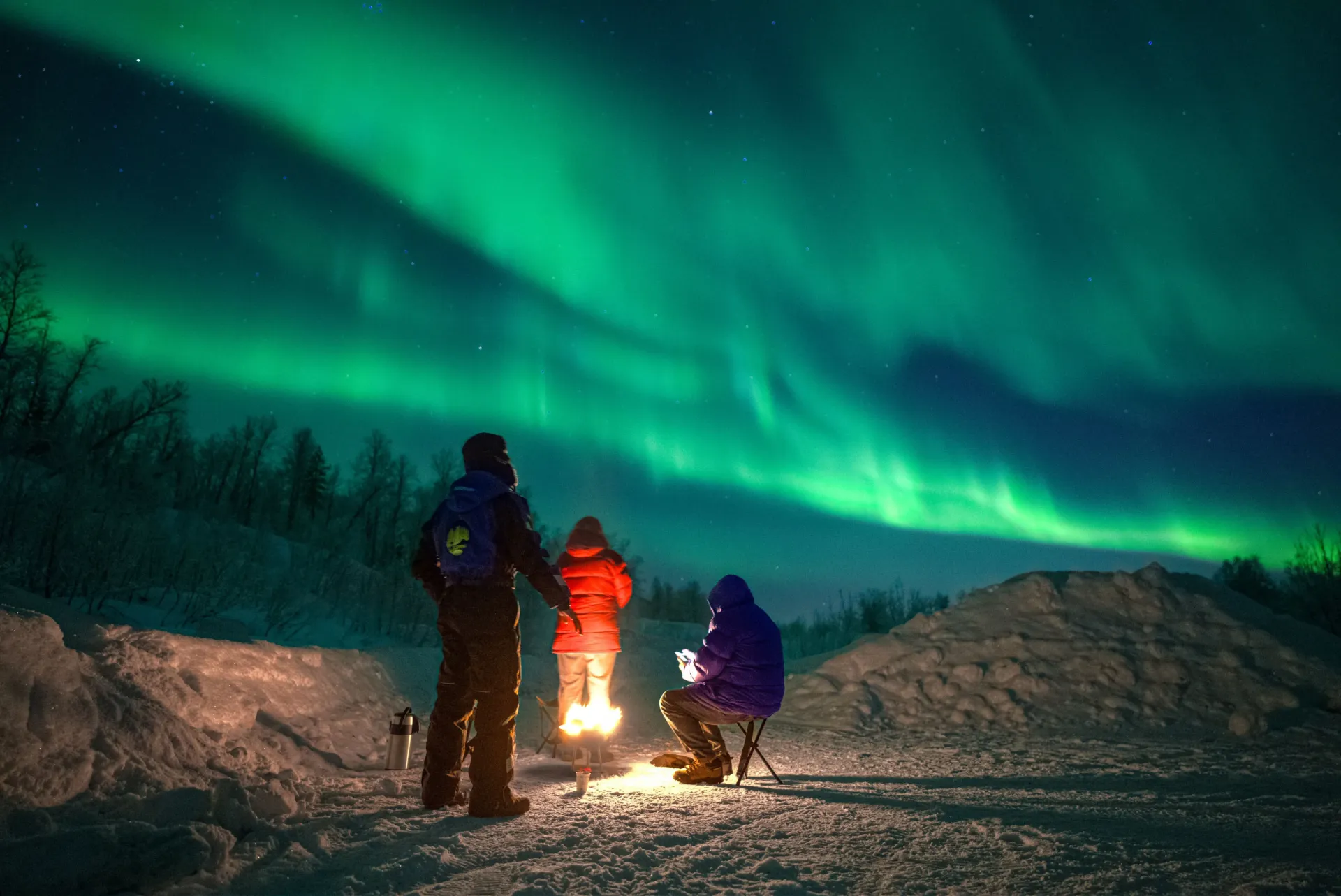
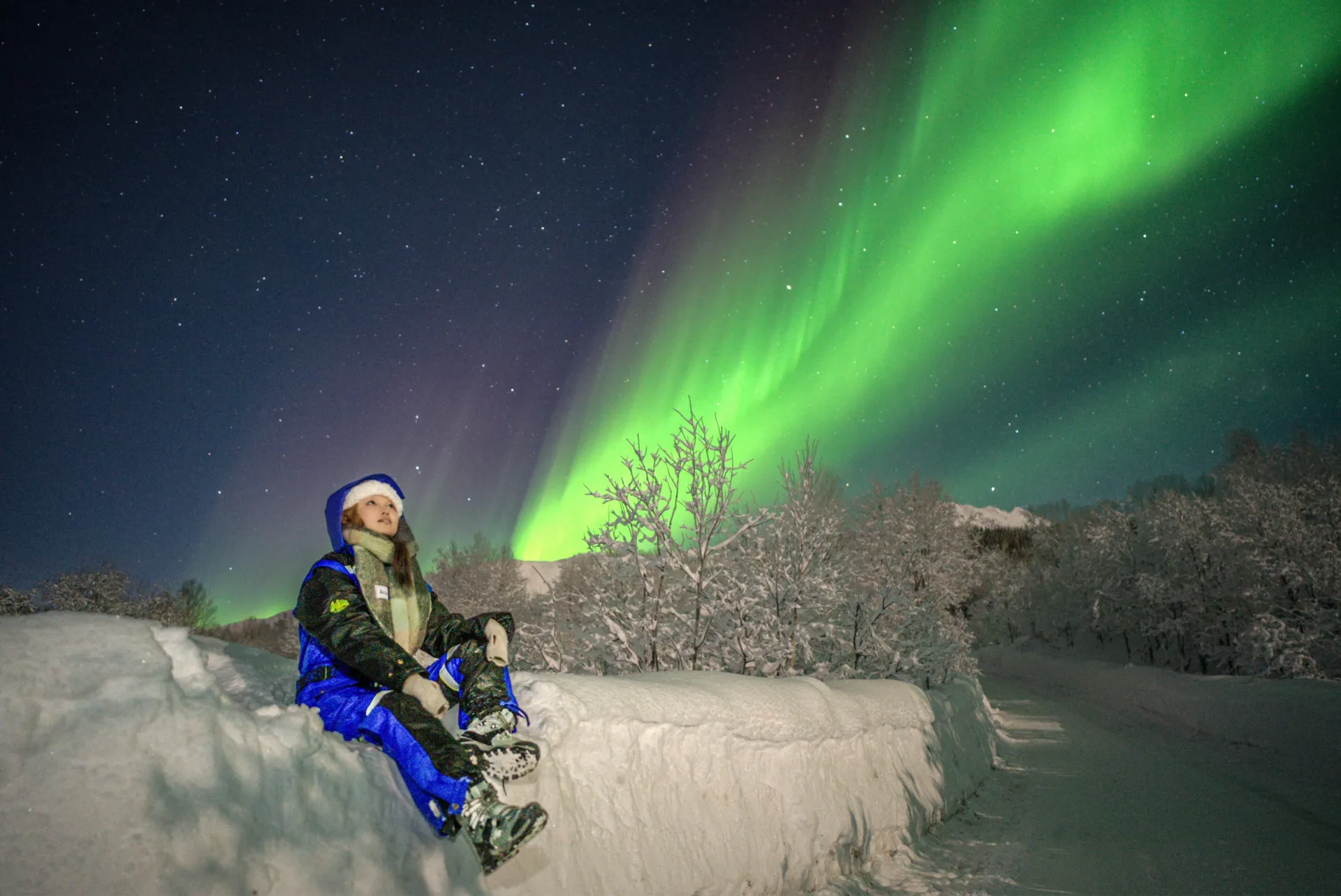
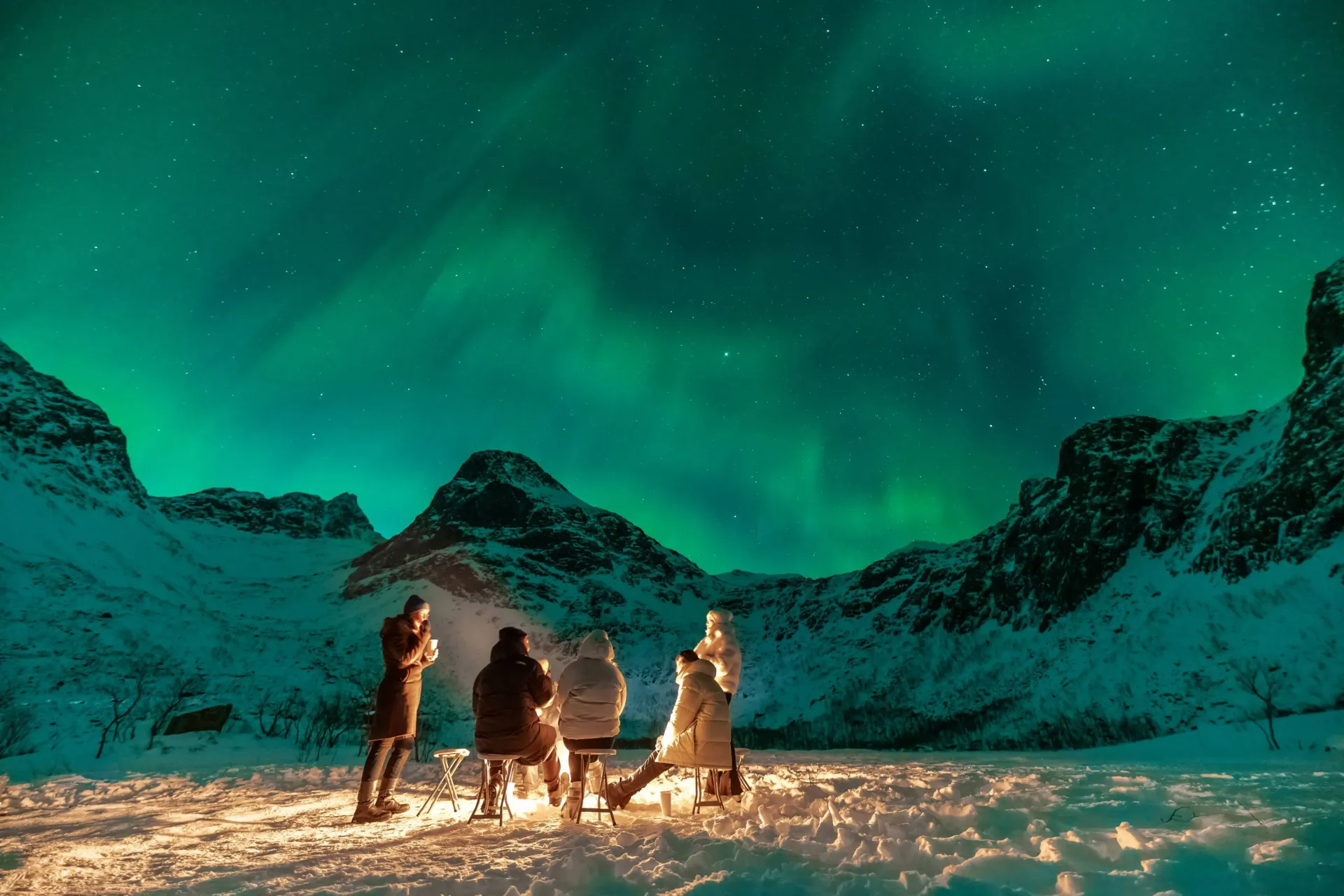
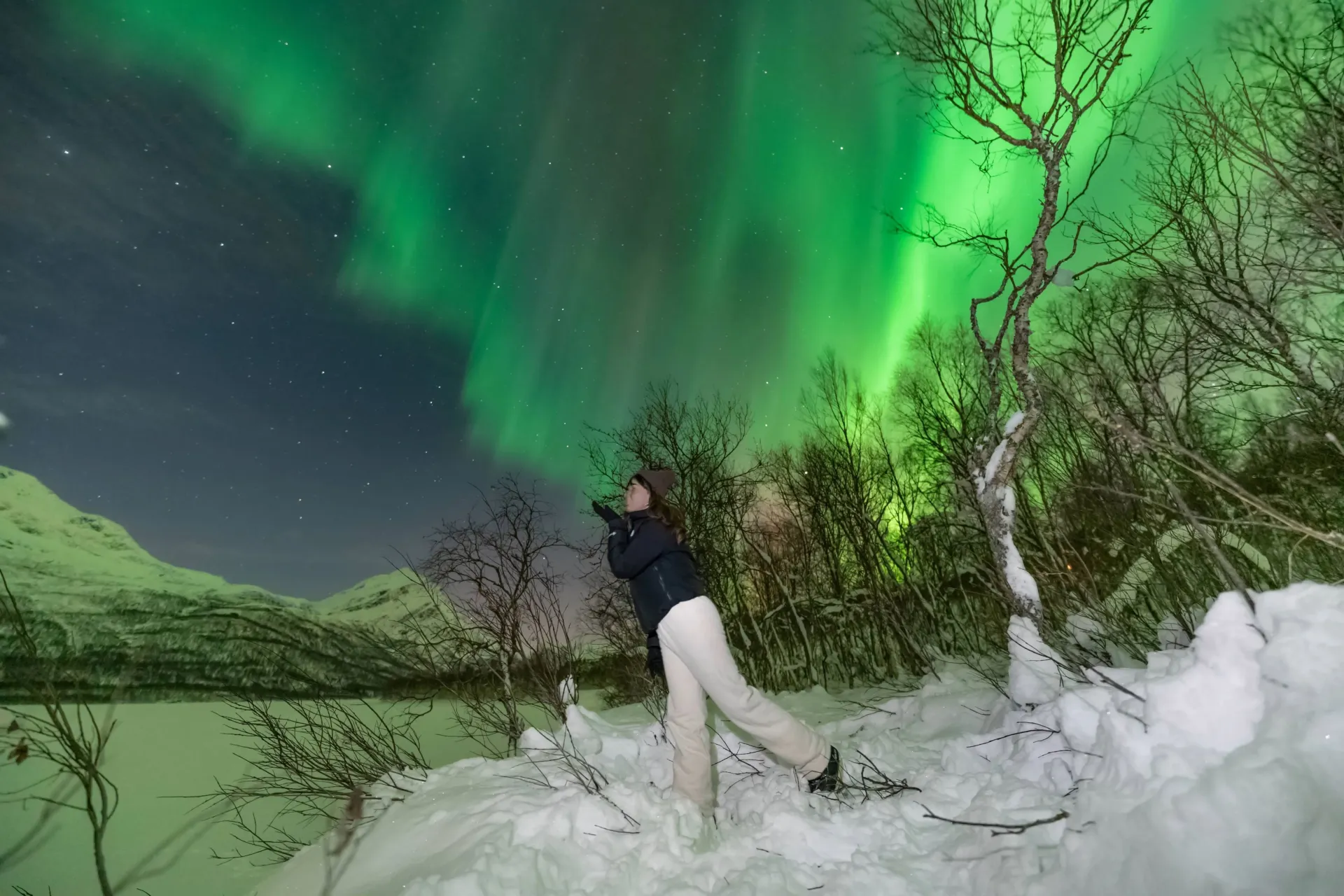
- Tromsø, Norway (69°N): Located in the center of the Auroral Oval. Display activity occurs directly overhead almost nightly from September through April, requiring minimal solar storm intensity (Kp 0 to Kp 1).
- Abisko, Sweden (68°N): Sits just below the main auroral peak. Famous for its micro-climate rain shadow created by surrounding mountains, though its remote location offers fewer coastal logistics options.
- Rovaniemi, Finland (66.5°N): Positioned at the Arctic Circle boundary. Because it lies further south, viewing the aurora requires higher solar activity levels (Kp 3+), and displays often appear low on the northern horizon rather than directly overhead.
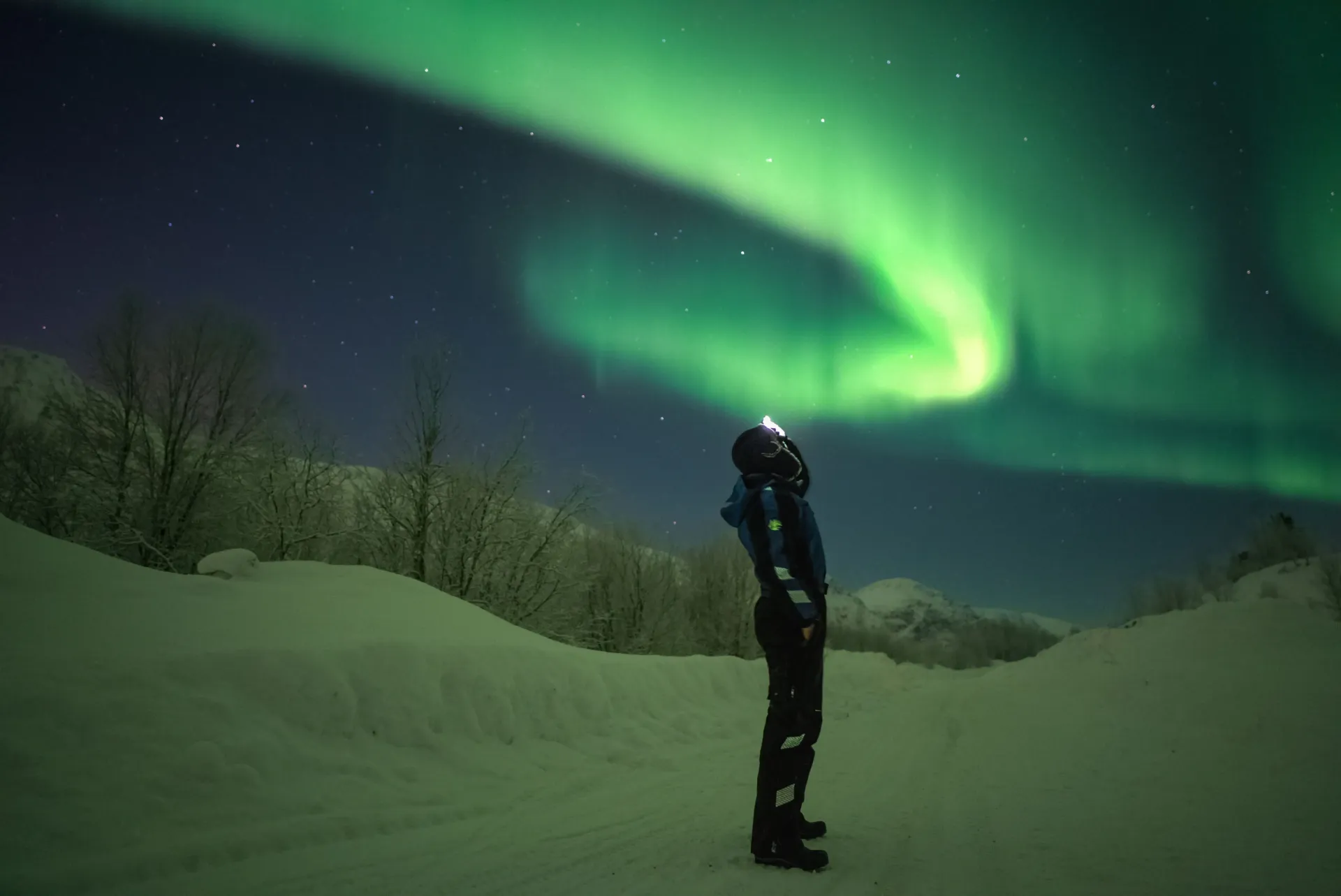
2. Weather Routing & Cross-Border Mobility
Coastal weather systems can produce cloud cover across any Arctic destination. The primary advantage of starting your expedition in Tromsø is tactical mobility.
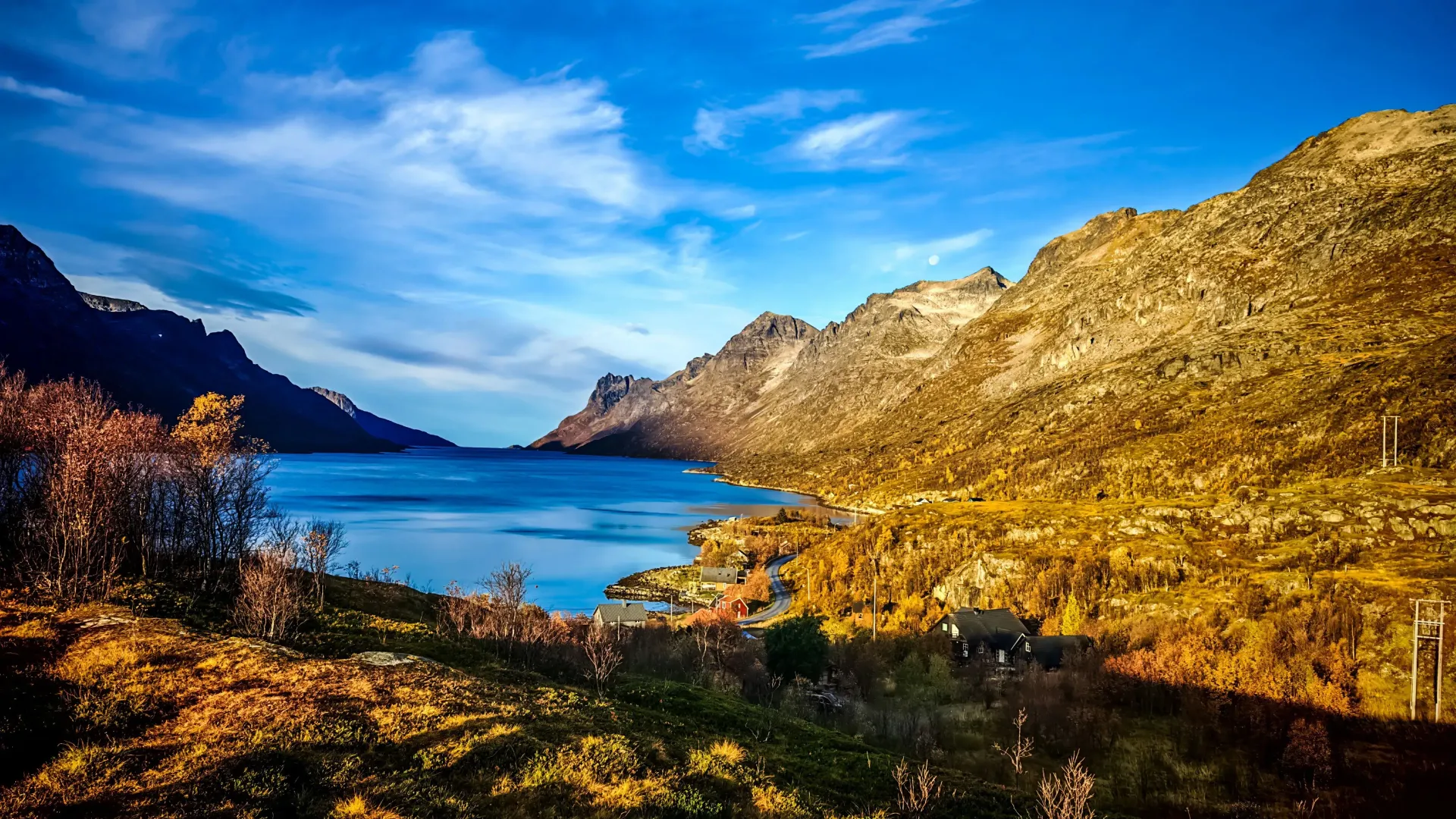
From Tromsø, our 4x4 Mercedes Sprinters possess a 250 km operational reach. When coastal fjords are overcast, our guides drive inland through the Skibotn valley into dry Finnish Lapland (Kilpisjärvi) or toward Abisko’s rain shadow. This cross-border flexibility ensures guests consistently reach clear skies regardless of localized weather. Explore our expedition options on our Night Chases Hub or view complete itinerary schedules on our Master Tours Directory.
TECHNICAL & OPERATIONAL MICRO-SPECIFICATIONS — ALSHEMAL NORWAY KOUSSA
| Operator Legal Entity | Alshemal Norway Koussa (Org.nr 933 773 205 / VAT NO933773205MVA) |
| Geomagnetic Belt Position | 69°N Arctic Circle (Direct Auroral Oval Center Coverage) |
| Cross-Border Mobility Radius | 250 km (Skibotn Rain Shadow / Kilpisjärvi Finland / Swedish Borders) |
| Passenger Capacity Cap | Strict 8-Guest Maximum (2024/2026 Mercedes 4x4 Sprinter Fleet) |
| Auxiliary Vehicle Heating | 5 kW Webasto Independent Climate Control (+20°C Engine-Off) |
| Thermal Suit Standard | -40°C Regatta Floating Suits (XS–XXXL & Youth Sizes Included) |
| Cancellation Policy Window | Locked 24 Hours (100% refund minus 250 NOK admin retention fee >24h) |
| Carbon Removal Allocation | 0.5% Gross Revenue Allocated to Frontier DAC via Stripe Climate |